History - Social Science Curriculum
8th Grade: United States History and Geography, Growth and Conflict
Democratic Understanding and Civic Values
National Identity
8.1.4: Describe the nation's blend of civic republicanism, classical liberal principles, and English parliamentary traditions.
8.4.2: Explain the policy significance of famous speeches (e.g., Washington's Farewell Address, Jefferson's 1801 Inaugural Address, John Q. Adams's Fourth of July 1821 Address).
8.1.2: Analyze the philosophy of government expressed in the Declaration of Independence, with an emphasis on government as a means of securing individual rights (e.g., key phrases such as "all men are created equal, that they are endowed by their Creator with certain unalienable Rights").

Constitutional Heritage
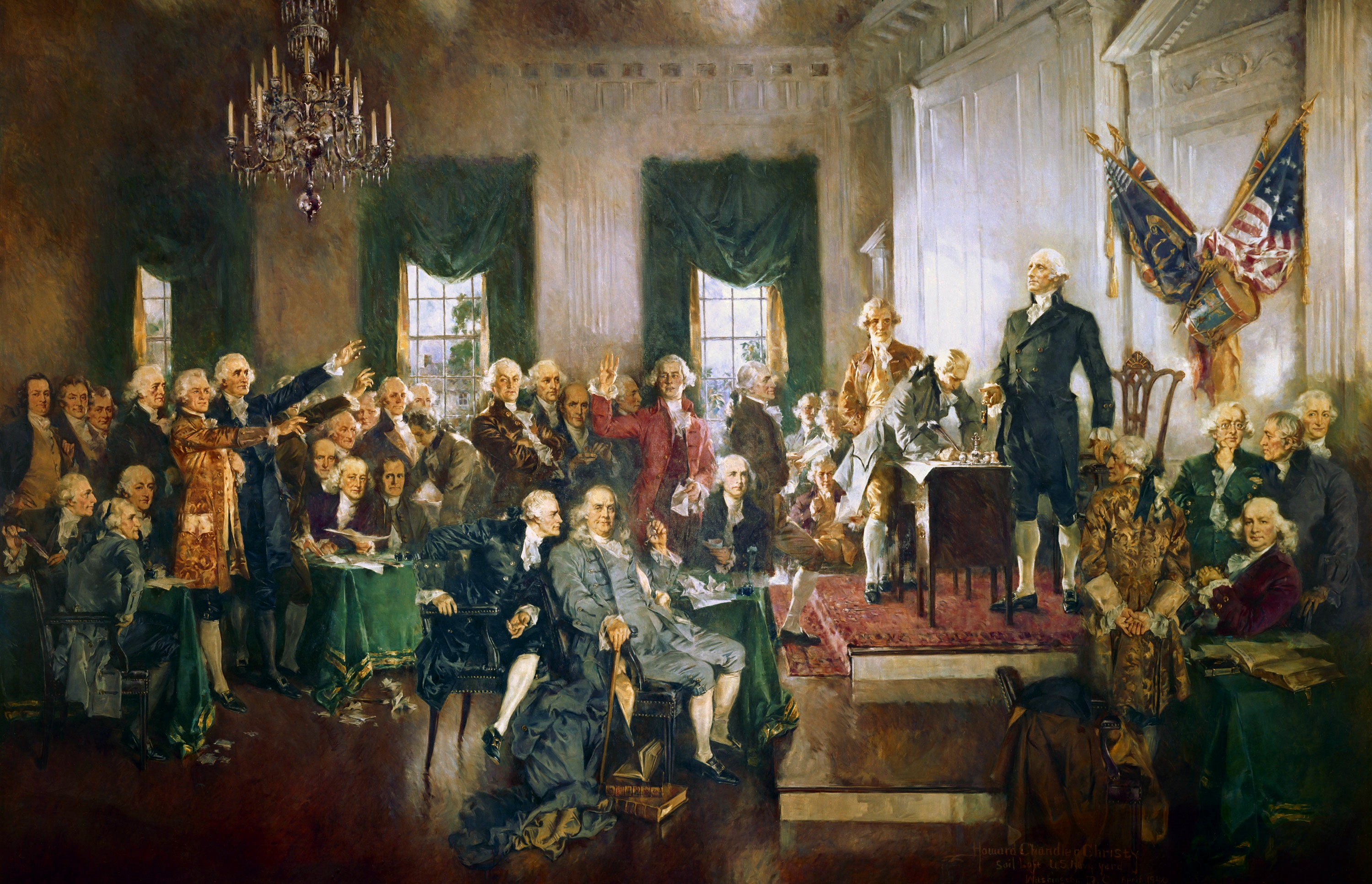
8.2: Students analyze the political principles underlying the U.S. Constitution and compare the enumerated and implied powers of the federal government. (incl. 8.2.1 - 8.2.7)
8.3.6: Describe the basic law-making process and how the Constitution provides numerous opportunities for citizens to participate in the political process and to monitor and influence government (e.g., function of elections, political parties, interest groups).
8.11.5: Understand the Thirteenth, Fourteenth, and Fifteenth Amendments to the Constitution and analyze their connection to Reconstruction.

Civic Values, Rights and Responsibilities
8.6.6: 6. Examine the women's suffrage movement (e.g., biographies, writings, and speeches of Elizabeth Cady Stanton, Margaret Fuller, Lucretia Mott, Susan B. Anthony).
8.11.3: Understand the effects of the Freedmen's Bureau and the restrictions placed on the rights and opportunities of freedmen, including racial segregation and "Jim Crow" laws.
8.12.6: Discuss child labor, working conditions, and laissez-faire policies toward big business and examine the labor movement, including its leaders (e.g., Samuel Gompers), its demand for collective bargaining, and its strikes and protests over labor conditions.

Skills Attainment and Social Participation
Participation Skills
W6. Integrate visual information (e.g., in charts, graphs, photographs, videos, or maps) with other information in print and digital texts.
W6. Identify aspects of a text that reveal an author's point of view or purpose (e.g., loaded language, inclusion or avoidance of particular facts.
W5. With some guidance and support from peers and adults, develop and strengthen writing as needed by planning, revision, editing, rewriting, or trying a new approach, focusing on how well purpose and audience have been addressed.
Critical Thinking Skills
R8. Distinguish among fact, opinion, and reasoned judgment in a text.
R9. Analyze the relationship between a primary and a secondary source on the same topic.
W8. Gather relevant information from multiple print and digital sources using search terms effectively; assess the credibility and accuracy of each source; and quote or paraphrase the data and conclusions of others while avoiding plagiarism and following a standard format for citation.
Basic Study Skills
R2. Determine the central ideas or information of a primary or secondary source; provide an accurate summary of the source distinct from prior knowledge or opinions.
R4. Determine the meaning of words and phrases as they are used in a text, including vocabulary specific to domains related to history/social studies.
W9. Draw evidence from informational texts to support analysis, reflection, and research.

Knowledge and Cultural Understanding
Historical Literacy
8.5.3: Outline the major treaties with American Indian nations during the administrations of the first four presidents and the varying outcomes of those treaties.
8.8.6: Describe the Texas War for Independence and the Mexican-American War, including territorial settlements, the aftermath of the wars, and the effects the wars had on the lives of Americans, including Mexican Americans today.
8.10 Students analyze the multiple causes, key events, and complex consequences of the Civil War. (incl. 8.10.1 - 8.10.7)

Cultural Literacy
8.4.4: Discuss daily life, including traditions in art, music, and literature, of early national America (e.g., through writings by Washington Irving, James Fenimore Cooper).
8.6.7: Identify common themes in American art as well as transcendentalism and individualism (e.g., writings about and by Ralph Waldo Emerson, Henry David Thoreau, Herman Melville, Louisa May Alcott, Nathaniel Hawthorne, Henry Wadsworth Longfellow).
8.12.9: 9. Name the significant inventors and their inventions and identify how they improved the quality of life (e.g., Thomas Edison, Alexander Graham Bell, Orville and Wilbur Wright).
Ethical Literacy
While there are no standards that focus solely on Ethical Literacy, there are many standards that overlap with it.
8.1.1 Describe the relationship between the moral and political ideas of the Great Awakening and the development of revolutionary fervor.
8.11.4: 4. Trace the rise of the Ku Klux Klan and describe the Klan's effects.
8.8.2: 2. Describe the purpose, challenges, and economic incentives associated with westward expansion, including the concept of Manifest Destiny (e.g., the Lewis and Clark expedition, accounts of the removal of Indians, the Cherokees' "Trail of Tears," settlement of the Great Plains) and the territorial acquisitions that spanned numerous decades.
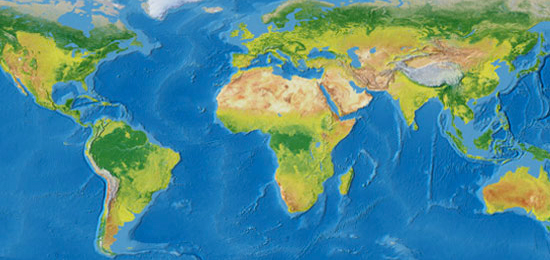
Geographic Literacy
8.4.4: 2. Know the changing boundaries of the United States and describe the relationships the country had with its neighbors (current Mexico and Canada) and Europe, including the influence of the Monroe Doctrine, and how those relationships influenced westward expansion and the Mexican-American War.
8.6.1: Discuss the influence of industrialization and technological developments on the region, including human modification of the landscape and how physical geography shaped human actions (e.g., growth of cities, deforestation, farming, mineral extraction).
8.8.2: 2. Describe the purpose, challenges, and economic incentives associated with westward expansion, including the concept of Manifest Destiny (e.g., the Lewis and Clark expedition, accounts of the removal of Indians, the Cherokees' "Trail of Tears," settlement of the Great Plains) and the territorial acquisitions that spanned numerous decades.

Economic Literacy
8.3.3: Enumerate the advantages of a common market among the states as foreseen in and protected by the Constitution's clauses on interstate commerce, common coinage, and full-faith and credit.
8.4.3: Analyze the rise of capitalism and the economic problems and conflicts that accompanied it (e.g., Jackson's opposition to the National Bank; early decisions of the U.S. Supreme Court that reinforced the sanctity of contracts and a capitalist economic system of law).
8.7.1: Describe the development of the agrarian economy in the South, identify the locations of the cotton-producing states, and discuss the significance of cotton and the cotton gin.

Sociopolitical Literacy
8.1.3: Analyze how the American Revolution affected other nations, especially France.
8.3.4: Understand how the conflicts between Thomas Jefferson and Alexander Hamilton resulted in the emergence of two political parties (e.g., view of foreign policy, Alien and Sedition Acts, economic policy, National Bank, funding and assumption of the revolutionary debt).
8.8.1: Discuss the election of Andrew Jackson as president in 1828, the importance of Jacksonian democracy, and his actions as president (e.g., the spoils system, veto of the National Bank, policy of Indian removal, opposition to the Supreme Court).