

Aztecs
Political
rose to power after Toltecs in central Mex. b/c reputation as warriors + fanatic religious followers
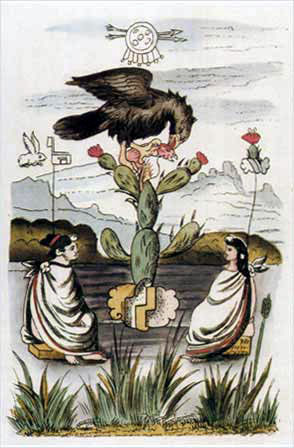
Tenochtitlan = capital
became capital b/c according to legend, ideal settlement would be where ppl saw eagle on cactus w/ serpent in beak
conquered ppl = pay tribute (sometimes in food), give up lands, sometimes do military service
state controlled use/distribution of most items & redistributed tribute
people who surrendered to Aztecs paid less tribute than thos who didn't
nobles got more tribute, commoners got less
before settling down, Aztecs were divided into 7 calpulli (clans)
distributed land, organized labor/military units, maintained temple + school
governed by council of family heads - not all families were equal so not all calpulli had equal status
political structure
Great Speaker (ruler of Tenochtitlan) was basically emperor
represented civil power and represented gods on earth
prime minister was usually close relative of ruler
governing council - alliance b/w rulers of different cities
Cultural
temples were made for human sacrifice ceremonies
more intense/frequent sacrifices compared to Toltecs
war captives = sacrifices
.jpg/300px-Codex_Magliabechiano_(141_cropped).jpg)
at least 128 major gods: of rain, fire, water, corn, sky, sun, etc. - some taken from Toltecs
each god had male/female form, at least 5 aspects (North,South,East,West +center), some gods were patrons of specific cities/groups/jobs
3 major groupings of gods: fertility/agricultural cycle, creators, warfare/sacrifice
ex: Tlaloc (god of rain - agr.) & Huitzilopochtli (tribal patron - main god of warfare/sacrifice)
religious art/poetry included flowers, birds, songs, human hearts, blood
"flowery death" = death while trying to sacrifice prisoner
most desirable death for noble - ensured eternity in highest heaven (same happened to women who died during childbirth)
Economy
basic food supply came from farming done by peasants & food from tribute
tribute also included slaves & sacrificial victims
cacao beans/gold dust sometimes used as currency
Social
Jaguar & Eagle "Knights" and other military groups had distinctive uniform/ritual and fought in separate units
ranks visible through banners/cloaks/etc.
social distinctions were visible through clothes, hairstyles, uniforms, etc.
social classes
slaves = war captives/criminals/people who sold selves to escape hunger
there was a class of workers lower than commoners but higher than slaves - almost like serfs
pochteca = special merchant class who specialized in long-distance trade of luxury itemsundefined
controlled great market at Tlatelolco
nobles belonged to certain privileged families in most distinguished calpulli -> expansion = nobles became those who had more military/administrative powers
most nobles were born into class - commoners could move up to noble class
controlled priesthood & military leadership
scribes/artisans/healers = intermediate social group - important in larger cities
women
peasant women helped in fields but main job was to take care of home/kids/cooking
trained young girls to be future wives
virginity at marriage was most desirable; nobles usually had 2+ wives, peasants usually only had one
could inherit property and pass it to heirs
Interactions
chinampas = artificial floating islands of aquatic weeds, mud, and earth rooted to lake floor -> system of irrigated agriculture
