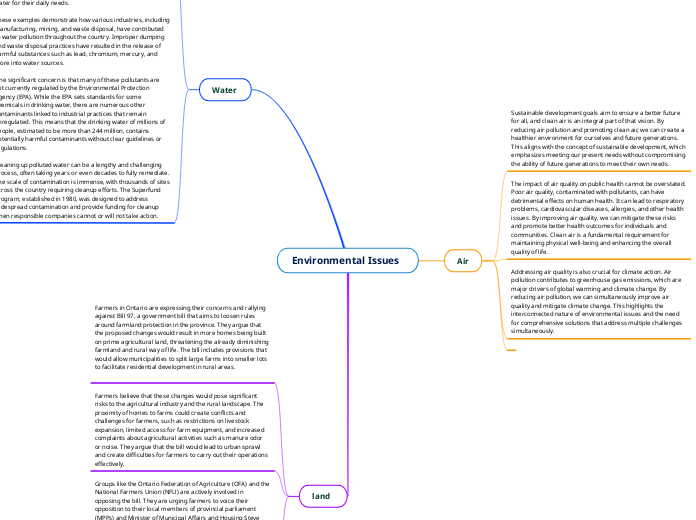
Sustainable development goals aim to ensure a better future for all, and clean air is an integral part of that vision. By reducing air pollution and promoting clean air, we can create a healthier environment for ourselves and future generations. This aligns with the concept of sustainable development, which emphasizes meeting our present needs without compromising the ability of future generations to meet their own needs.
The impact of air quality on public health cannot be overstated. Poor air quality, contaminated with pollutants, can have detrimental effects on human health. It can lead to respiratory problems, cardiovascular diseases, allergies, and other health issues. By improving air quality, we can mitigate these risks and promote better health outcomes for individuals and communities. Clean air is a fundamental requirement for maintaining physical well-being and enhancing the overall quality of life.
Addressing air quality is also crucial for climate action. Air pollution contributes to greenhouse gas emissions, which are major drivers of global warming and climate change. By reducing air pollution, we can simultaneously improve air quality and mitigate climate change. This highlights the interconnected nature of environmental issues and the need for comprehensive solutions that address multiple challenges simultaneously.
The consequences of contamination can be severe and long-lasting, posing significant risks to public health and the environment.
In New Jersey, the dumping of toxic paint sludge by Ford Motor Co. has left the groundwater contaminated with lead and arsenic, threatening the Wanaque Reservoir, a vital source of drinking water for millions of people. The cleanup efforts have been ongoing for years, and the remaining contaminants continue to pose a risk.
North Carolina residents near coal-fired power plants have been informed of elevated levels of chromium-6 and other chemicals in their water. As investigations into the contamination continue, these households rely on bottled water for their daily needs.
These examples demonstrate how various industries, including manufacturing, mining, and waste disposal, have contributed to water pollution throughout the country. Improper dumping and waste disposal practices have resulted in the release of harmful substances such as lead, chromium, mercury, and more into water sources.
One significant concern is that many of these pollutants are not currently regulated by the Environmental Protection Agency (EPA). While the EPA sets standards for some chemicals in drinking water, there are numerous other contaminants linked to industrial practices that remain unregulated. This means that the drinking water of millions of people, estimated to be more than 244 million, contains potentially harmful contaminants without clear guidelines or regulations.
Cleaning up polluted water can be a lengthy and challenging process, often taking years or even decades to fully remediate. The scale of contamination is immense, with thousands of sites across the country requiring cleanup efforts. The Superfund program, established in 1980, was designed to address widespread contamination and provide funding for cleanup when responsible companies cannot or will not take action.
Farmers in Ontario are expressing their concerns and rallying against Bill 97, a government bill that aims to loosen rules around farmland protection in the province. They argue that the proposed changes would result in more homes being built on prime agricultural land, threatening the already diminishing farmland and rural way of life. The bill includes provisions that would allow municipalities to split large farms into smaller lots to facilitate residential development in rural areas.
Farmers believe that these changes would pose significant risks to the agricultural industry and the rural landscape. The proximity of homes to farms could create conflicts and challenges for farmers, such as restrictions on livestock expansion, limited access for farm equipment, and increased complaints about agricultural activities such as manure odor or noise. They argue that the bill would lead to urban sprawl and create difficulties for farmers to carry out their operations effectively.
Groups like the Ontario Federation of Agriculture (OFA) and the National Farmers Union (NFU) are actively involved in opposing the bill. They are urging farmers to voice their opposition to their local members of provincial parliament (MPPs) and Minister of Municipal Affairs and Housing Steve Clark. These groups argue that the proposed changes would fragment and permanently remove farmland from agricultural use, limiting the growth of farm businesses and compromising long-term food security in Ontario.
Critics also point out that splitting farmland into smaller lots would create congestion and significantly increase the number of entrances to properties, as new subdivisions would require separate access points. This would further impact the rural landscape and the functioning of agricultural operations.