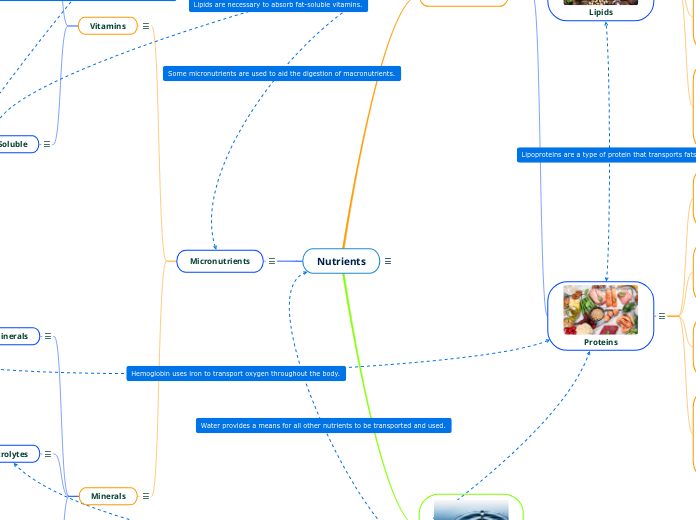
Nutrients
Nutrients are substances found in foods that the body needs to continue living. (4)Nutrients are either essential, or non-essential. (4)Essential nutrients are nutrients that the body cannot make itself, so we need to consume them in higher amounts. (4)Non-essential nutrients are nutrients that the body can make itself, so we don't need to consume them as much as essential ones. (4)The 6 basic nutrients are as follow:WaterMineralsVitaminsCarbohydratesFatsProteinsIf the body doesn't get enough, or gets too much nutrients, malnutrition can occur, which can cause weight issues, wasting, stunting, etc. (4)
Macronutrients
Macronutrients, specifically carbohydrates, fats, and proteins are nutrients that provide the body with energy. (4)This energy in measured in the form of a calorie, which is the amount of energy required to raise 1 kg of water by 1C. (4)Each macronutrient gives a different amount of calories per gram:Carbohydrates: 4C/gProteins: 4C/gFats: 9C/g

Carbohydrates
Carbohydrates are the human body's most important energy source. (3)A carbohydrate is a chain of sugar molecules. They are broken into 2 groups, simple, and complex. Simple carbs have only 1 or 2 sugar molecules in their chain, they can also be called a mono or disaccharide. Complex carbs have 3 or more sugar molecules and are called polysaccharides. (3)Carbohydrates will be broken down into glucose, and if the body has enough, it will be broken down into glycogen, and if the body has enough of that, it will broken down into triglycerides. (3)Carbohydrates give our body energy in the form of sugar, but they also have many benefits, such as assisting in calcium absorption, feeding our gut bacteria, and preventing our body from using protein as energy. (3)Carbohydrates, both simple and complex, can be found in Whole grains PeasCornLentilsPeanutsPotatoesJunk foodsDairyBreads/baked goodsAnd a lot more

Simple
Simple carbohydrates contain 1 or 2 sugar molecules, so they are easy to break down by our bodies and provide a quick boost in energy and then a quick crash. They aren't as healthy as complex carbs as they don't contain any fibre or starches. (3)
Complex
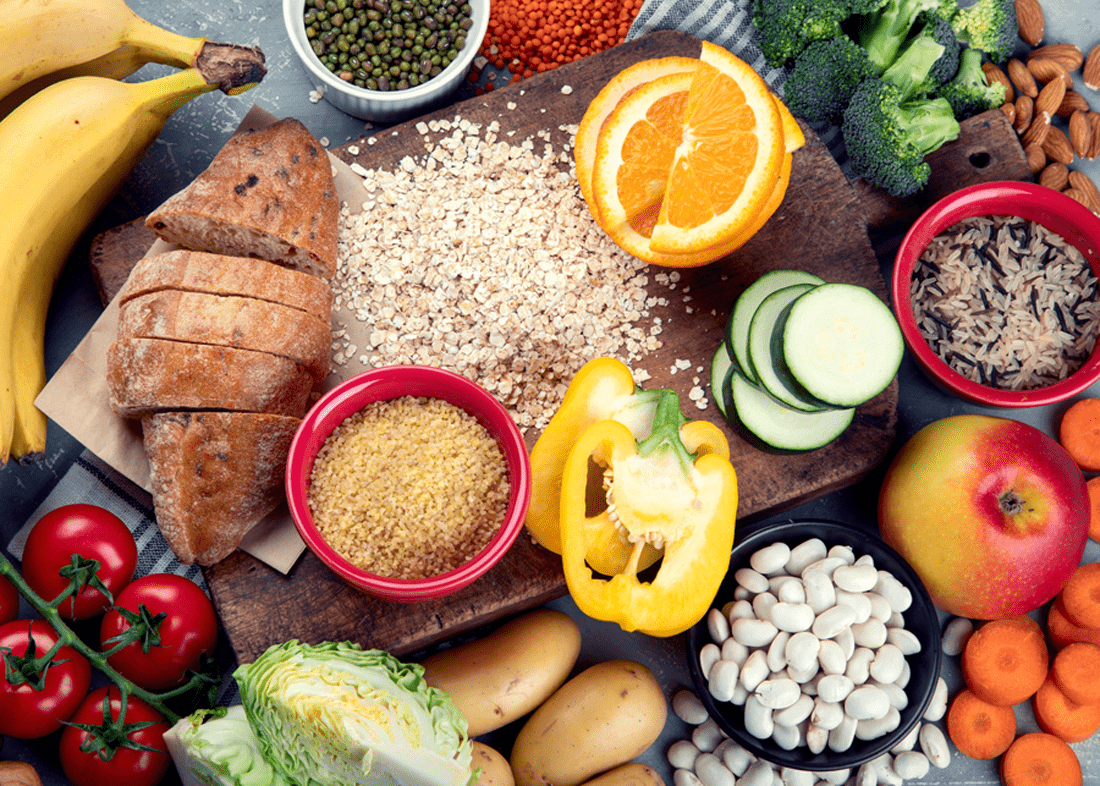
Complex carbs contain 3 or more sugar molecules, so they are harder for the body to break down, so they provide a more even and balanced energy source. They are healthier than simple carbs as they also contain starch and fibre. (3)Some examples of foods with complex carbs: (3)LentilsPotatoesPeasBeansWhole grainsCorn
Starch
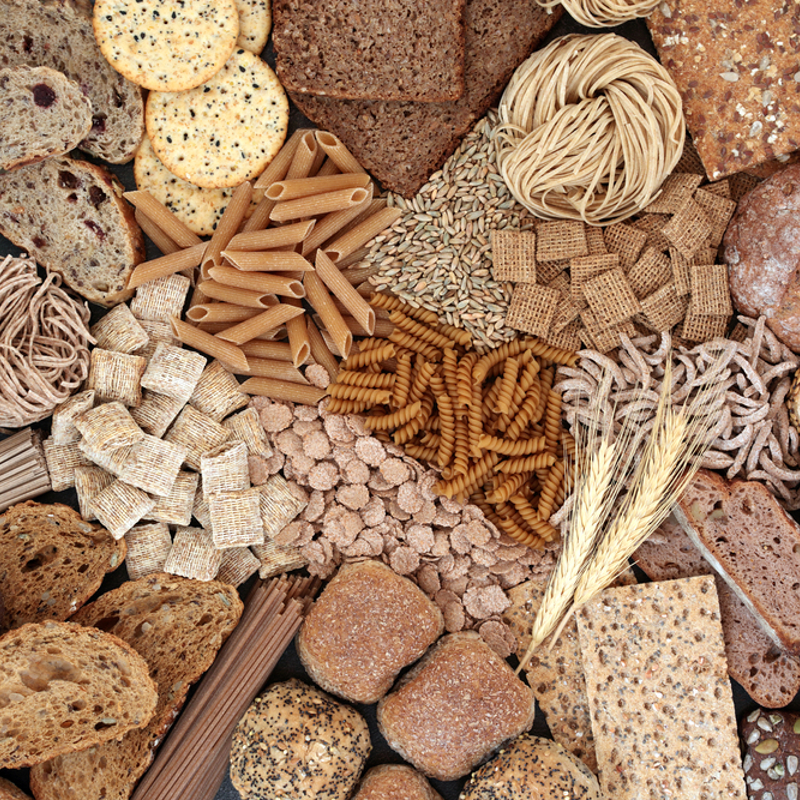
Starches are long chains of glucose molecules bonded together by glycosidic bonds that are broken down into glucose. (3)Plants store their energy as starch. (3)Starch can be found in:GrainsTubersLegumes

Fibre
Fibre cannot be digested by our body, but they are still important for health.Fibre passes through are digestive tract intact, util it reaches the large intestine, where it is converted into carbon dioxide, hydrogen, and fatty acids.Fibre comes in 2 types, soluble, and insoluble.Fibre can be found in:Skin of fruits and vegetablesOuter layer of whole grains
Soluble
Soluble fibre turns into a gel-like substance within our digestive tract. It helps to slow digestion, soften stool, reduce cholesterol, regulate blood sugar levels, and regulate blood pressure. (3)Soluble fibre can be found in lots of foods, including:BarleyOat branLegumesFruits rich in pectinVegetables (Artichoke, broccoli, squash, carrots)Quinoa
Insoluble
Insoluble fibre is left completely intact as it moves through our digestive tract. It helps prevent constipation and makes sure everything runs smoothly. (3)Insoluble fibre can be found in:NutsSeedsWhole grainsBrown riceDark leafy greensRed->yellow fruits and vegetables
:max_bytes(150000):strip_icc()/Healthy-Fats-Food-GettyImages-1301412044-2000-8ab23a10624d42df85fa3f37d7c76a6b.jpg)
Lipids
Fats, or lipids, are long chains of carbon and hydrogen, and having a lot of hydrogen makes them hydrophobic, so they are insoluble in water. (6)Fats provide more enrgy than all other macronutrients, at 9C/g. (6)Fats have many functions within the body, such as:Absobing fat-soluble vitaminsInsulationTransmitting nerve signals effectivelyKeeping nails, hair, and skin healthyProtecting organsForming hormonesetcOils are a type of lipid (fat) that contain unsaturated fatty acid chains and thus are liquid at room temperature. (6)Fats are a type of lipid that contain saturated fatty acid chains, so they are solid at room temperature. (6)Oils and fats are a type of lipid called a triglyceride (or more commonly known as a fatty acid), which means that they are made up of 3 carbon chains connected to a central glycerol. (6)The daily recommended amount of fat per day is 44-77 grams/day, if 2000 calories a day. 20-30% of your total calories should come from fats.There are 2 types of fatty acids:Unsaturated fatty acidsSaturated fatty acids

Saturated fatty acids
Saturated fatty acids have only single bonds between their carbons, so are considered saturated with hydrogen. (6)These fats raise bad cholesterol a lot so they aren't very healthy. (6)They are solid at room temperature. (6)It can be found in:ButterIce creamPalm oilCheeseAnimal fatsCoconut oil
Unsaturated fatty acids
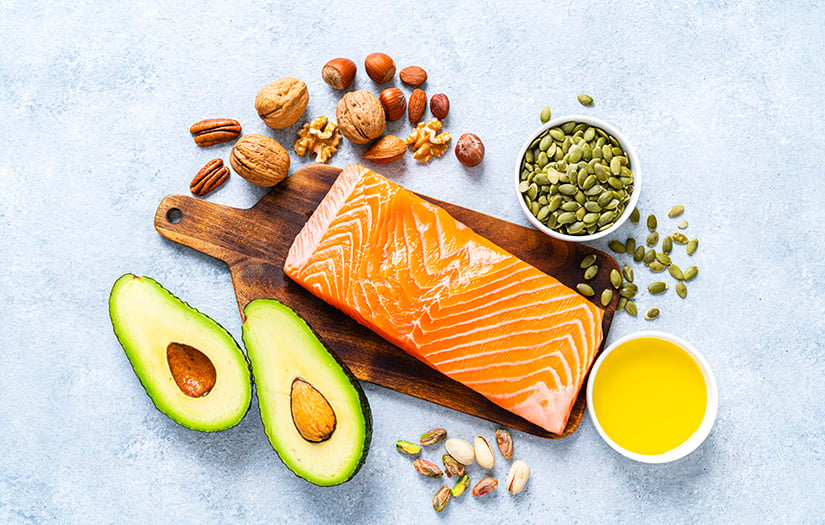
Unsaturated fatty acids contain 1 or more double or triple bonds between their carbons and are usually liquid at room temperature. (6)These fatty acids are divised into 2 groups:Monounsaturated fatty acidsPolyunsaturated fatty acidsThese fatty acids are considered to be healthy, and the majority of fat in your diet should come from them. (6)Unsaturated fats work to decrease levels of LDL (bad) and increase levels of HDL (good) cholesterol.They can be found in;AvocadosPlant oilsNutsSeedsTunaSalmonAnchovies
Monounsaturated fatty acids
Monounsaturated fatty acids contain only 1 double bond, 'mono' meaning 1. (6)
Polyunsaturated fatty acids
Polyunsaturated fatty acids contain 2 or more double bonds. (6)Polyunsaturated fats can be further divided into 2 groups:Linoleic fatty acids (Omega-6)Linolenic (Omega-3)These fatty acids are very important as they perform many critical functions within the body, some examples include:Decrease risk of depression and anxietyImprove eye healthReduce blood pressureReduce symptoms of insulin resistance and metabolic syndromeReduce risk of age-related diseases (6)

Trans fats
Trans fats, or trans fatty acids, are created when a liquid fat (oil) is change into a solid via hydrogenation. (6)They are used as preservatives and consistency improvers. (6)The opposite of polyunsaturated fatty acids, trans fats increase the body's level of LDL (bad) cholesterol and decrease levels of HDL (good) cholesterol. (6)Manufacturers may say that their product is trans fat free, but if 1 of the ingredients is "hydrogenated oil", it actually has them. (6)Some examples of where trans fats can be found:MargarineShorteningCoffee creamersPre-packaged baked goodsFried food

Cholesterol
Cholesterol comes in 2 forms:Low density lipoprotein (LDL)High density lipoprotein (HDL)(A lipoprotein transports cholesterol throughout the bloodstream.) (5)LDL is regarded as the bad cholesterol, and HDL as the good. (6)The body doesn't LDL cholesterol, so it makes it's way to the arteries and settles there and hardens, transforming into plaque. Which restricts blood flow and artery flexibility. (6)HDL cholesterol transports extra LDL cholesterol out of the arteries and to the liver to be broken down. (6)High cholesterol levels are usually caused by an unhealthy lifestyle, such as smoking, lack of exercise, and poor diet. (6)

Proteins
Proteins are essential macronutrients that are made up of long chains of the 20 different amino acids. (5)Proteins should not be your primary energy source, that job goes to carbohydrates and fats. (5)You need ~0.8 grams of protein per kg of body weight. So this results in ~56 grams per day for the average sedentary man, and 46 grams for the average sedentary women. However active people require more. (5)There are 3 types of proteins:CompleteIncompleteComplementaryProteins are used for everything within the body, some examples are:Growth and maintenanceBiochemical reactionsHormonesNutrient transportFluid and Ph balanceFighting infections

Amino acids
Amino acids are organic molecules that are used by the body to create proteins. (5)There are 20 amino acids that the body uses, 11 of them the body can make itself, so are non-essential. But 9 of them the body cannot, so they are essential and must come from our diet. (5)
Complete
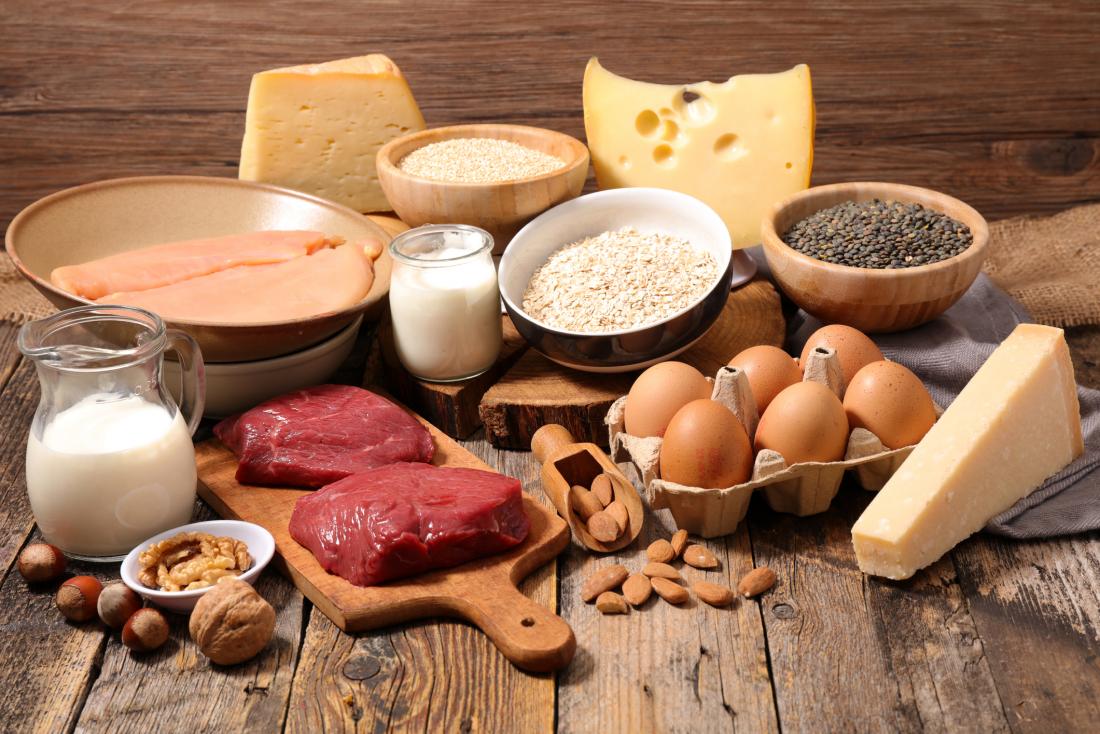
Complete proteins contain all the 9 essential amino acids. (5)These can be found in:MeatsEggsDairySoyQuinoa
Incomplete
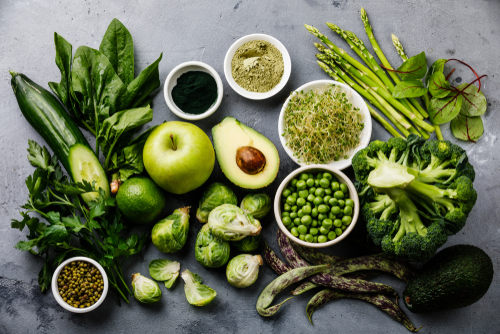
Incomplete proteins do not contain all the 9 essential amino acids. But they contain at least 1. (5)These can be found in plant products.
Complementary
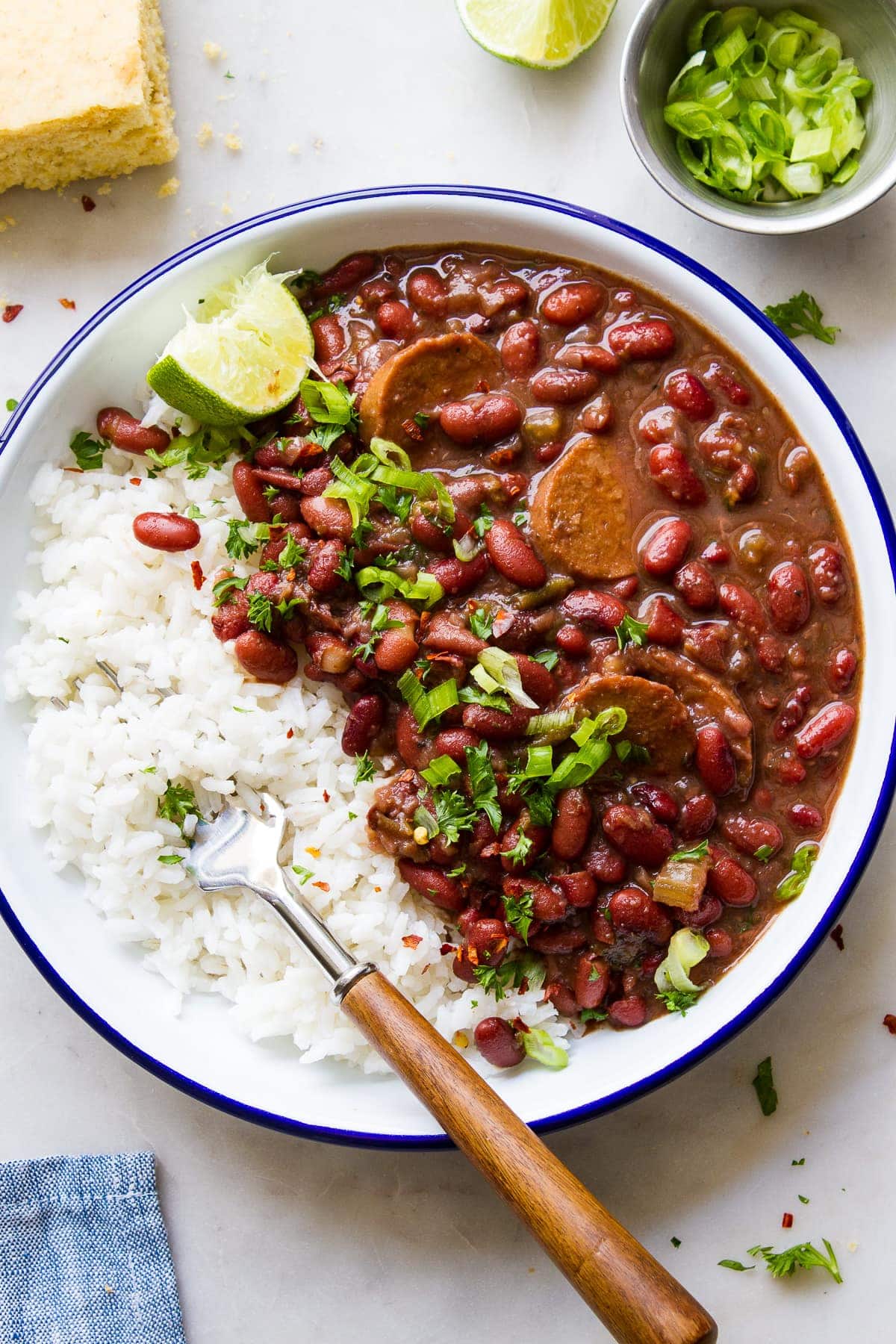
Complementary proteins are combinations of incomplete proteins that together are complete. For example rice and beans, or a peanut butter sandwich. (5)

Water
Water is the most important nutrient because it is a solvent that carries all other nutrients throughout the body. (1)Without water, nutrients cannot be properly used. And water is so important that we are made up of ~65% water. (1)Water has many functions, including:Aiding digestionRemoving bodily wastesRegulating body temperatureLubricating jointsKeeping organs and tissues healthy.You should be drinking 50-75% of your body weight in ounces of water, depending on how active you are. (1)You can get water by drinking it, but there is water in lot of foods as well, such as fruits, vegetables, and other liquids. (1)
Micronutrients
Micronutrients are nutrients that do not provide the body with energy. (4)Micronutrients are used by the body to aid digestion of macronutrients. (4)The micronutrients include all vitamins, minerals, and water. (4)
Vitamins
Vitamins are fragile organic molecules and are used by the body to aid absorption of macronutrients. (2)Vitamins are used for energy production, immune support, blood clotting, etc. (4)There are 13 different vitamins, C, B-complex, A, D, E, K. (2)
Water Soluble
Vitamins that are water soluble are only soluble in water, this means that, unlike fat-soluble vitamins, they cannot be stored in the body. Thus we need to consume them daily. But on the plus-side, it is difficult to consume enough to create vitamin toxicity.The 9 water soluble vitamins are vitamin C and B-complex vitamins.

Vitamin C
Vitamin C, or Ascorbic Acid, is used by the body for three main functions, these beingFor immune functionAs antioxidantsAnd for collagen formationVitamin C is found in pretty much all fruits and vegetables, so it's easy to get. However, cooking will reduce it's content.

B-Complex
B-Complex vitamins are a group of vitamins that are used by the body as coenzymes, they aid the enzymes in our cells, keeping cellular reactions running smoothly.A deficiency in the B-complex vitamins can lead to the slower growth of tissues, including nervous tissue, and blood.B-complex vitamins can be found in the following foods:Meat and nuts (B12, B7, and B3)Dairy (B2)Grains (B1, B5, and B6)Fruits and vegetables (B9)
Fat Soluble
Fat soluble vitamins, as their name suggests, are only soluble in fats, or lipids, thus they can and are stored within our body, unlike water soluble ones. So we don't need to consume them daily, but overdoing it can lead to vitamin toxicity. (2)The 4 fat soluble vitamins are:Vitamin AVitamin DVitamin EVitamin K

Vitamin A
Vitamin A comes in 2 forms, Retinol, and Beta-carotene (β-carotene)It is used by the body to:Protect against infectionsMaintain healthy bones skin, hair, nails, and teethPromote visionAnd it can be found in:EggsCod liver oilFortified foodOrange/yellow fruits and vegetablesDark green vegetables
Retinol
Retinol is a very potent and pure form of vitamin A, as such, it should not be consumed in high amounts, as that can create vitamin toxicity. (1)It can be found in: (1)MeatEgg yolkFatty/oily fishCheeseFortified foods
β-carotene
β-carotene is a precursor of vitamin A that gets turned into Retinol in the intestinal mucous membrane. (1) Unlike Retinol, it is not very potent, so it is safe to consume high amounts. (within reason)It is what gives orange/yellow fruits and vegetables their color. It also acts as an antioxidant. (1)It can be found in:Green, leafy vegetablesOrange/yellow fruits and vegetables

Vitamin D
Vitamin D is special, it is the only vitamin that our body can create itself, with help fro the sun that is.Vitamin D aids the body in it's absorption of calcium and phosphorus, minerals which are important for bone health.A deficiency in Vitamin D can cause, in children, rickets, which causes soft bones, weak muscles, and delayed tooth development. And in adults, fatigue, and osteomalacia, which is when bones are soft and break easily.It can be found in:EggsFatty fishBeef liverCheese

Vitamin E
Vitamin E is used in the body as an antioxidant. It also helps to fight infections.It can be found in:Plant oilsWheat germDark green, leafy vegetables

Vitamin K
Vitamin K is used by our body to create proteins responsible for proper blood clotting. Without them, you'd bleed out from a paper cut. Fortunately, it can be found in all green fruits and vegetables.
Minerals
Minerals, unlike vitamins, are inorganic molecules, so they do not include carbon, and keep their chemical structure when consumed. (2)They play an important role in fluid balance, bone health, and tissue growth, etc. (4)Minerals are found in animal and plant sources, and water, pretty much in all foods. (2)
Trace Minerals
Trace minerals are minerals that are needed in small, or trace amounts. Examples are iron, copper, zinc, iodine, and selenium. (2)
Iron
Iron is used to transport oxygen throughout the blood.Iron can be found inMeat (especially liver)Egg yolksGreen leafy vegetablesLentils
Electrolytes
Electrolytes are minerals that have an electric charge and the body uses them to maintain it's fluid balance. (2)

Potassium
Potassium helps to regulate the heartbeat and maintains blood pressure.Sources of potassium include SpinachBroccoliPotatoesBananasMelons

Sodium Chloride
Sodium helps muscles and nerve function, and regulates blood pressure by regulating the amount of water in the body.Chloride helps to transmit nerve signalsSodium and chloride together is salt.Usually, the body is good at regulating sodium levels, but a deficiency can happen after vomiting, diarrhea, and extreme sweating.
Major Minerals
Major minerals are required in larger amounts than other minerals, these include calcium, magnesium, and sulfur. (2)
Calcium
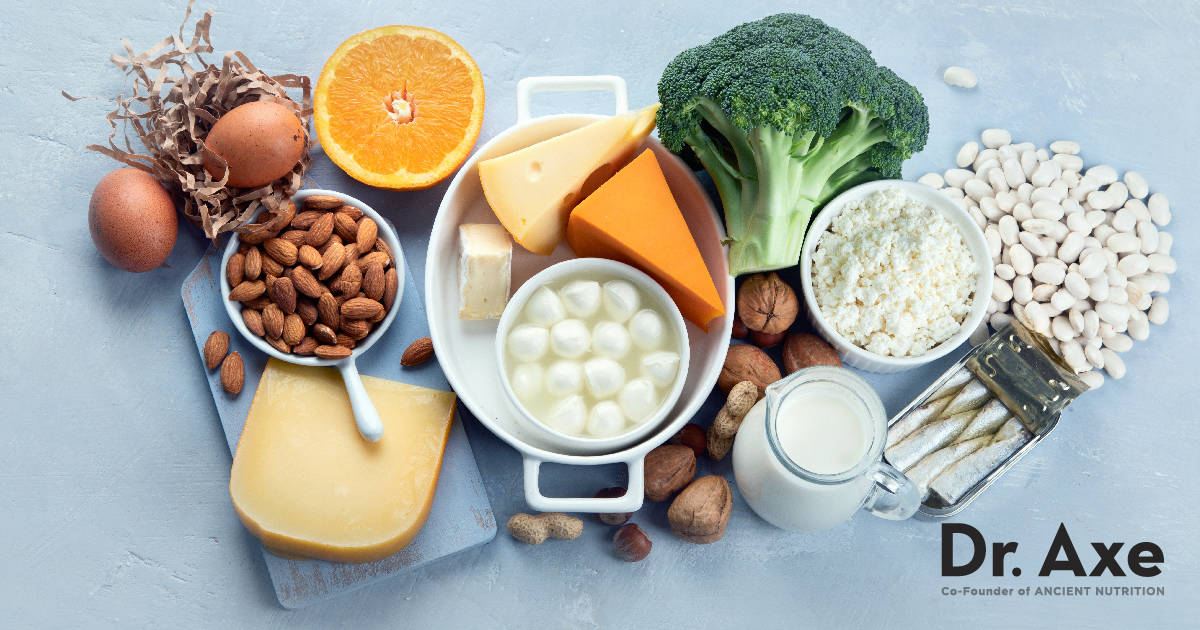
Calcium is used by the body with phosphorus to build bone tissue and maintain bone strength.Some other benefits of calcium are that is helps with blood clotting, nervous system health, and muscle contractions.A deficiency in calcium can lead to osteoporosis, for example, which makes bones fragile and weak.Calcium can be found inNutsSoyDairyBroccoliGreen leafy vegetables
:max_bytes(150000):strip_icc()/FoodsHighInMagnesium-f4be02f6267f46ec81bf435060af3d99.jpg)
Magnesium
Magnesium is used to help form bone tissue and proteins. It helps with nervous system signalling, and creates proper sleep patterns.It also helps the body repair itself.Sources of magnesium includeGreen leafy vegetablesAvocadosBananasNutsSeedsBeansChickpeasSeafood
Sulfur
Sulfur helps to body to digest macronutrients, and to create functional proteins such as collagen and keratin, or hormones like insulin.Sources of sulfur includeGarlicOnionsCruciferous vegetables