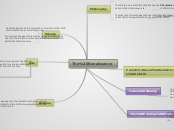
The Renaissance
Science
Shift from Ptolemaic system
to the heliocentric view
Thinkers began to investigate
on fields such as astronomy
and anatomy
Arts
Artists such as Michelangelo and Da Vinci
get inspiration from the Greek and Latin culture
Religion
Gradual passage from the Roman Church
to the Reformation of Luther and Calvin
Philosophy
Shift to inductive thinking
The thinkers of that period were called
Humanists
The man became subject of study
instead of God
Thomas More was one of the most
important English humanists
He wrote the book Utopia
It talks about an ideal place because
the intellectuals of that time struggled
to imitate the ideal models
French word which means rebirth
1485-1558: The beginning of the Reinassance.
1588-1603: The flowrishing of the Reinassance
1603-1625: The decline of the Reinassance
Tudor Dinasty
Henry Tudor defeated Richard III in the
Battle of Bosworth and he was given the
title of Henry VII
The Printing Press
William Caxton introduced printing in England
and this helped people to learn how to read and write
Renaissance Drama
Mixes popular entertainment and
refined culture making it appealing
to everybody
It contains Medieval genres
like the masque and the interlude
The Tragedy
Imitation of a serious action
without narration
It should arouse pity and horror
and achieve catharsis, the purification
from this emotions
It has a classical structure of 5 acts
The catharsis is reached with
the death of a sinful hero