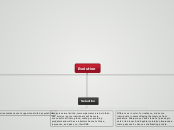
Evolution
Variation
Organisms can vary in size, coloration, ability to fight off diseases, and countless other traits
Such variation is often the result of random mutations, or "copying errors," that arise when cells divide as new organisms develop
Since many traits are encoded in DNA, offspring often inherit the variations of their parents
Selection
Environments cannot support unlimited populations
Resources are limited, more organisms are born than can survive: some individuals will be more successful at finding food, mating or avoiding predators and will have a better chance to thrive, reproduce, and pass on, their DNA
Differences in color, for instance, aid some individuals in camouflaging themselves from predators. Sharper eyes and claws help an eagle catch its dinner. And brighter coloration improves a male peacock's chances of attracting a mate.
Time
In generation after generation, advantageous traits help some individuals survive and reproduce.
After just a few generations or after thousands, depending on the circumstances, such traits become common in the population
The result is a population that is better suited--better adapted--to some aspect of the environment than it was before.