FIN202 - GROUP 2
SUMMARY
CHAP 1-8
CHAPTER 4: Analyzing Financial Statements
Common size financial statement
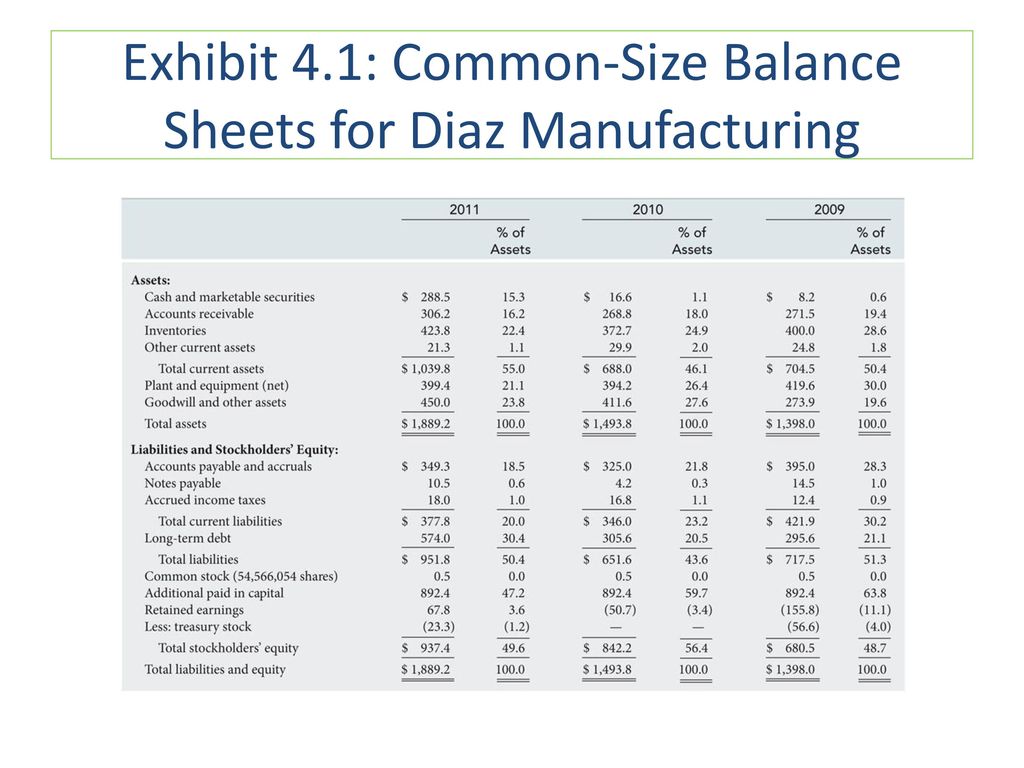
Show the dollar amount of each item as a percentage of a reference value (total assets or total revenues)
Standardizes the amount in a balance sheet account by converting the dollar value of each item to its percentage of total assets
Financial Ratios and Firm Performance
Ratios in financial statement
make it easier to compare the performance of large firms to that of small firms
make it easier to compare the current and historical
Ratios used vary across firms
occupancy ratios (hotel)
sales-per-square foot (retailing)
loans-to-assets (banking)
medical cost ratio (health insurance)
Categories of financial ratios
LIQUIDITY RATIOS

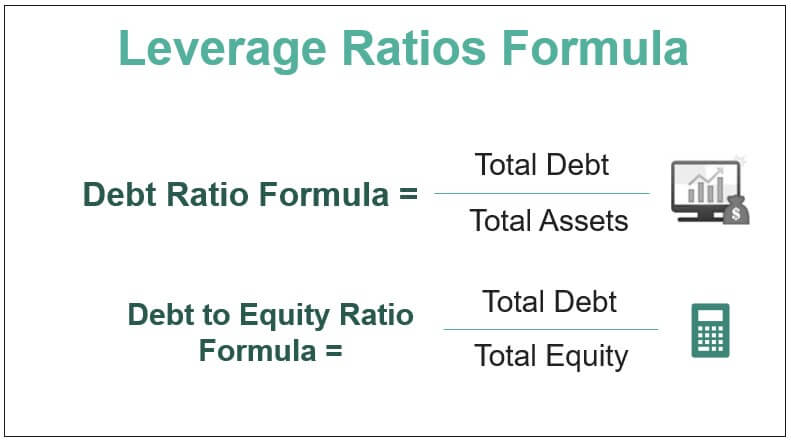
EFFICIENCY RATIOS
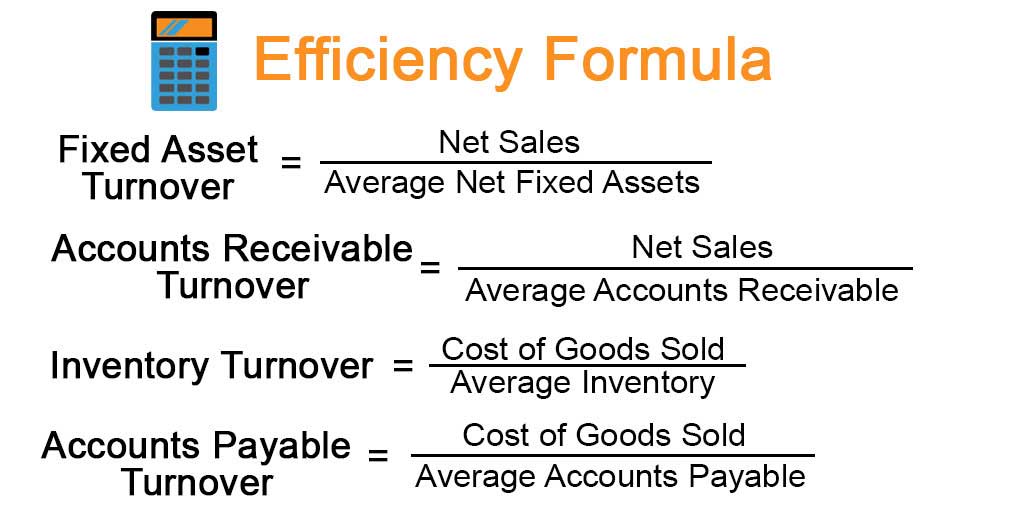


LEVARAGE RATIOS

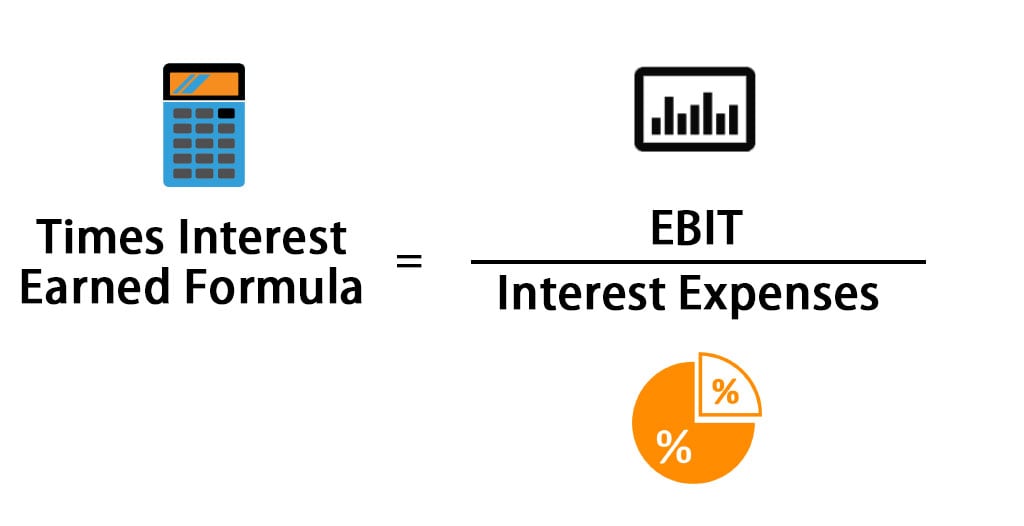

PROFITABILITY RATIOS



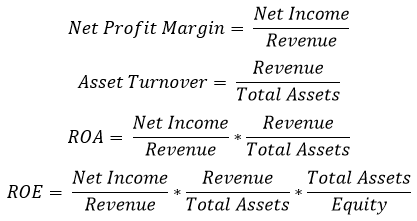
MARKET VALUE RATIOS
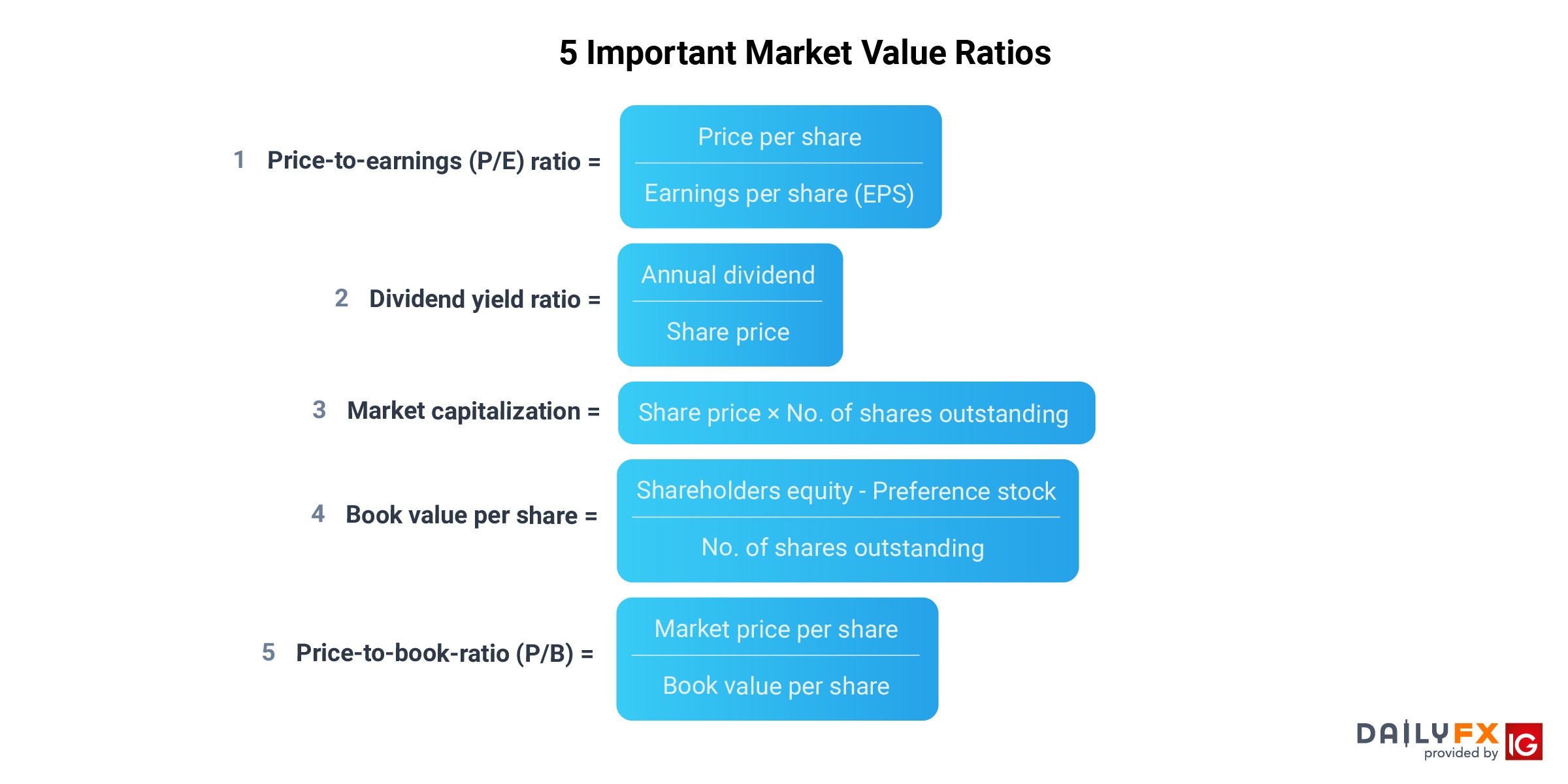
The dupont systems
The dupont systems
Diagnostic tool for evaluating a firm’s financial health
Uses related ratios that link the balance sheet and income statement
Based on two equations that connect a firm’s ROA and ROE
Used by management and shareholders to understand factors that drive ROE
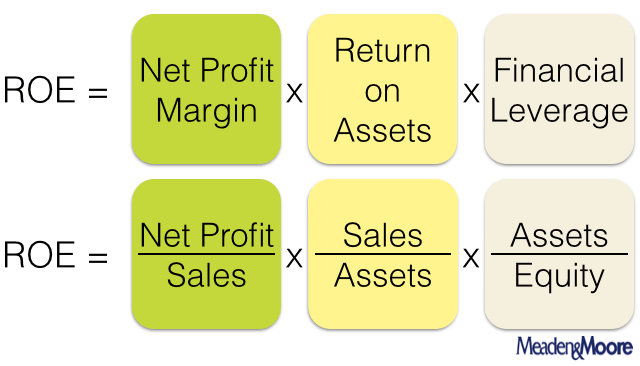
The dupont equation
CHAPTER 5
The Time Value of Money
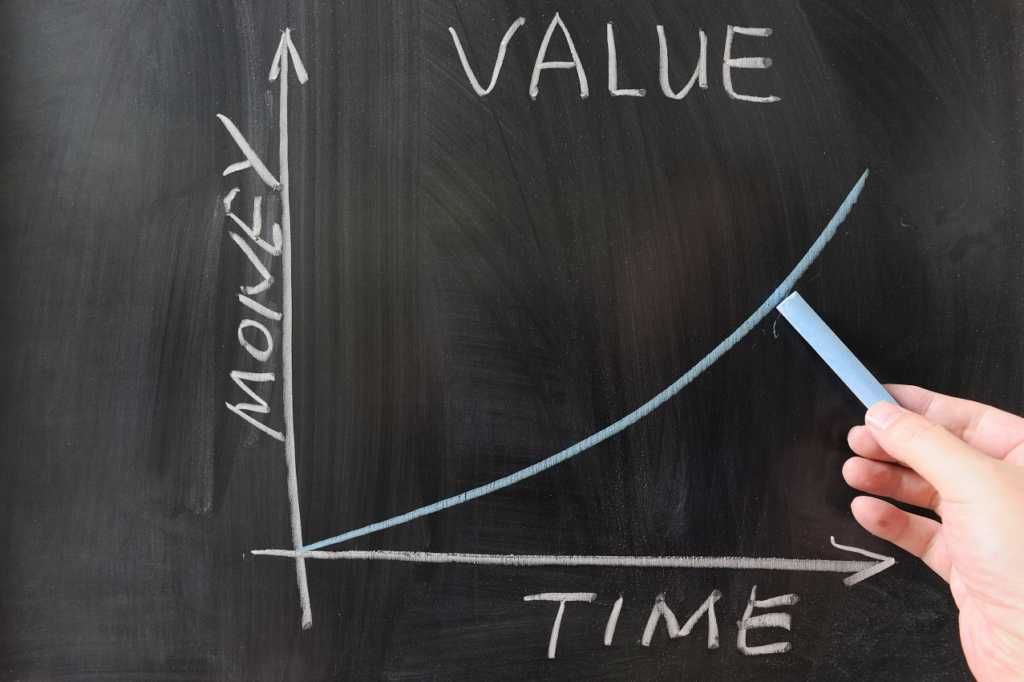
The Time Value of Money (TVM)
Consuming Today or Tomorrow
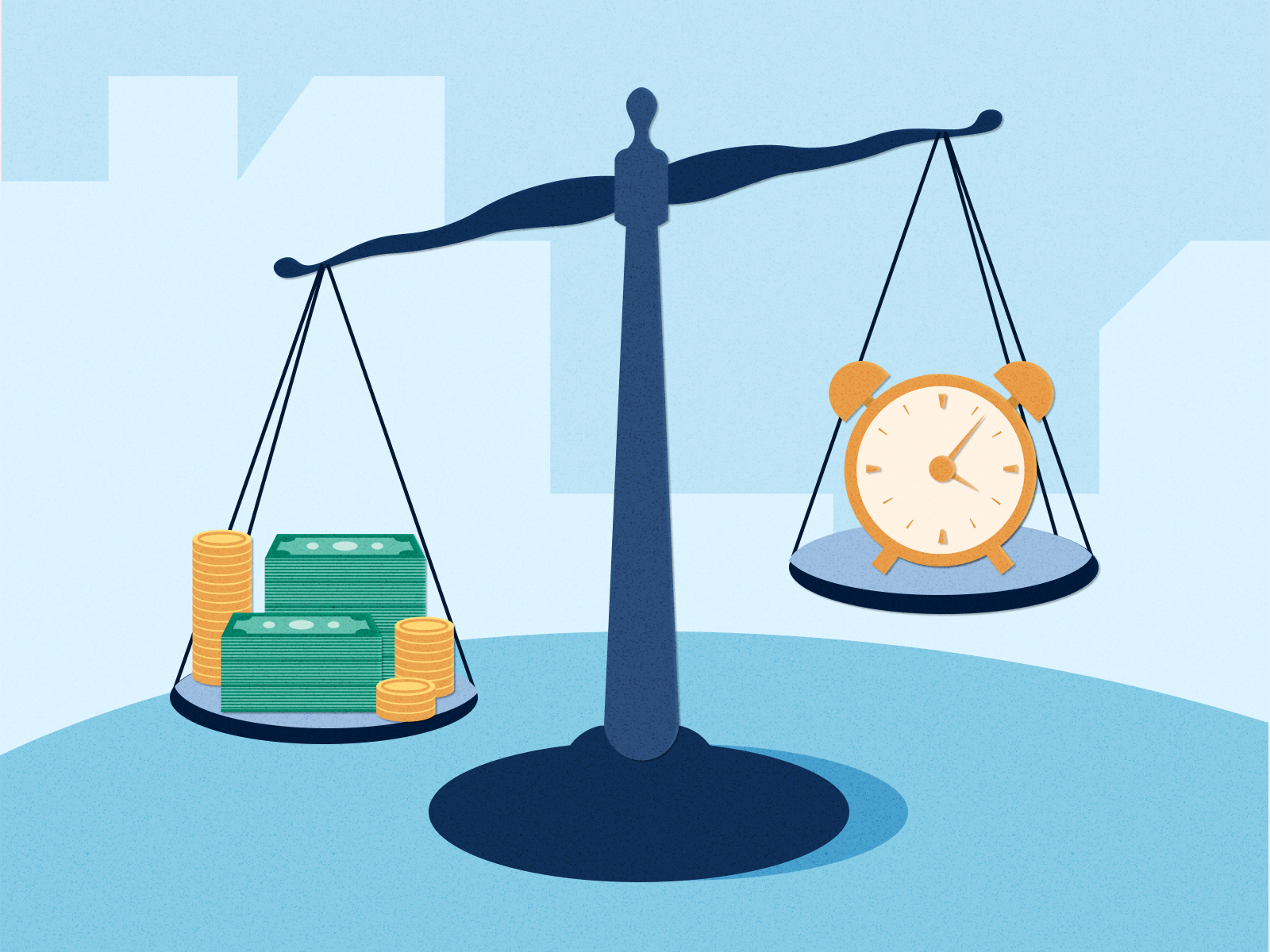
TVM is based on the belief that people prefer to consume goods today rather than wait to
consume the same goods tomorrow
Money today <= consumption or loaned out for interest
Money borrowed increases wealth and consumption ability
Time Lines as Aids to Problem Solving
Present cash outflows as negative values
Present cash inflows as positive values

Financial Calculator

Future Value and Compounding
Single-Period Investment
Sujet secondaire
FUTURE VALUE EQUATION

FUTURE VALUE OF $1 FOR DIFFERENT PERIODS AND INTEREST RATES

FUTURE VALUE FACTORS
COMPOUNDING MORE THAN ONCE A YEAR

CONTINUOUS COMPOUNDING

Present Value and Discounting
Single-Period Investment

Multiple-Period Investment


The Present Value Equation
Future and Present Value Equations are the Same

Applying the Present Value Formula
The Relations Among Time, the Discount Rate, and Present Value

Future Value Versus Present Value

Additional Concepts and Applications
Finding the Interest Rate


Compound Growth Rates
Chapter 3: Financial Statements, Cash Flows, and Taxes
PURPOSE OF FINANCIAL STATEMENTS
Provide stakeholders a foundation for evaluating the financial health of a firm
Evaluate a firm’s internal environment
Evaluate a firm’s interaction with the external environment
Provide information about the performance of the firm
Financial Statements and Accounting Principles
Generally Accepted Accounting Principles (GAAP)
Public companies must adhere to when they prepare financial statements and reports
INTERNATIONAL GENERALLY ACCEPTED ACCOUNTING PRINCIPLES (GAAP)
Uniform accounting rules and procedures promoted by the International Accounting Standards Board
Firms in the European Union are moving toward a “European GAAP”
Economic and political pressure is building in the United States and Europe to develop a unified accounting system
FIVE IMPORTANT ACCOUNTING PRINCIPLES
Assumption of Arm’s Length Transaction
Cost Principle
Realization Principle
Matching Principle
Going Concern Assumption
Chapter 1: The financial manager and the firm
Roles of financial manager
Capital Budgeting
Choose the long-term assets that will yield the greatest net benefits for the firm.
Financial
Finance assets with the optimal combination of short-term debt, long-term debt, and equity.
Working Capital
Adjust current assets and current liabilities as needed to promote growth in cash flow.
Basic Forms of Business Organization
BUSINESS STRUCTURE
Sole Proprietorship
Partnership
Corporation
HYBRID FORMS OF BUSINESS ORGANIZATION
Limited Liability Partnerships (LLPs)
Limited Liability Companies (LLCs)
Professional Companies (PCs)
Simplified Corporate Organization Chart
CHIEF EXECUTIVE OFFICER (CEO)
CHIEF FINANCIAL OFFICER (CFO)
KEY FINANCIAL REPORTS
EXTERNAL AUDITOR
The Goal of the Firm
DO NOT MAXIMIZE MARKET SHARE
DO NOT MAXIMIZE PROFIT
MAXIMIZE SHAREHOLDERS’ WEALTH!
(MAXIMIZE THE VALUE OF THE FIRM’S STOCK)
MAXIMIZE SHAREHOLDERS’ WEALTH!
ITS ALL ABOUT CASH FLOW!
Agency Conflicts
Agency relationship
OWNERSHIP AND CONTROL
AGENCY COSTS
GIVING AGENTS THE RIGHT INCENTIVE
SARBANES-OXLEY AND REGULATORY REFORM
Ethics in Corporate Finance
Chapter 8: Bond Valuationn and the Structure of Interest Rates
Bond Price Information
limited centralized reporting of the sales
Dealers - over - the - counter (OTC)
Thin market
less marketable
less transparent
Price more volatile
Types of coporate bonds
Vanilla Bonds (debentures)
fixed coupon payments
repay principle +retire the bonds at maturity
contract - features and provisions
annual or semiannual
Zero Coupon
sell at deep discount
Convertible Bonds
exchanges for shares of firm's stock
sell a higher price- comparable non- convertible bond
benefit- company's stock gets high market value
Bond Valuation
PB = PV(Coupon Payments) + PV(Par Value)
Par bond ----- coupon rate = market rate
Discount -----coupon rate < market rate
Premium ----- coupon rate > market rate
Yield to Maturity (YTM)
Rate - present value of bond's cash flow
= Price of the bond
changes daily
Effective Annual Yield (EAY)
EAY = ( 1+ Quoted interest rate/m)^m -1
Relized yield
return earned on a bond given the cash flows acctually receive
present value of actual cash flows generated
= bond's price
important- allows investors to see what actually earned
interest rate risk
bond theorems
A number of relations exist between bond prices and changes in interest rates
inversely related - interest rate
interest rate decline - Pb rise
interest rate risé - Pb decline
Prices on longer-term- change more- price of higher coupon bonds
Price of lower- cọupon- change more- price of higher coupon bonds
application
Rate expected to increse - avoid long- term bonds
Rate expected to decrease---- buy zero- coupon bonds
Determinants of corporate borrowing costs
market ability
call provision
default risk
term structure of interest rates
relationship between yield to maturity and term yo maturity on a bond
yield curve
not constant
interest rates change --- curve shifts up and down + changes shape and slope
Chapter 6: Discounted Cash Flows and Valuation
MULTIPLE CASH-FLOW
why cash flows occurring at different times must be adjusted to reflect their value as of a common date before they can be compared?
When making decisions involving cash flows over time, we should first identify the magnitude and timing of the cash flows, and then adjust each individual cash flow to reflect its value as of a common date.
LEVEL CASH-FLOW
ANNUITY
A series of coins of the same distance and length, extending to some limit.
Future Value of Annuity Due
FVA= PVA x future value factor
Present Value of Annuity Due
PVA= CFxPVFA
LOAN AMORTIZATION
How borrowed funds are repaid over the life of a loan
ORDINARY ANNUITY
Annuity in which cash flows occur at the end of a period
ANNUITY DUE
Annuity in which cash flows occur at the beginning of a period
PERPETUITY
A series of equally-spaced and level cash flows that continue forever
PVP=CF/i
GROWING PERPETUITY
GROWING ANNUITY
GROWING PERPETUITY

Sujet secondaire
EFFECTIVE ANNUAL INTEREST RATE
INTEREST RATES
quote interest rates is in terms of annual percentage rate (APR)
APR = (periodic rate) x m
to quote interest rates is in terms of effective annual rate (EAR)