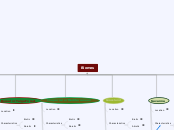
Biomes
Rainforest
Location
-occur in areas of tropical rainforest climate in which there is no dry season-typically found between 10 degrees north and south of the equator
Characteristics
Biotic
Animals-birds like parrots, the collard sun bird, the keel-billed toucan, pigeons, the bird of paradise, etc.-spider monkeys, deer, kinkajou, okapi, Western lowland, gorillas, tree kangaroos, pigs, elephants, rhinos, leopards, bandicoots, opossums, three-toed sloth, etc.Plants-over 800 species of trees and 1500 species of higher plants-orchids, lillies, heliconia, bromeliads-various fungi, shrubs, herbs, woody vines, lichens, mossesInsecsts-over 42,000 different types of insects-beetles, arachnids, scorpions, praying mantises, katydids, weaver ants, bullet ants, etc.
Abiotic
-climate-soil type-precipitation and rain fall of sorts-temperature-sunlight
Human Population
-home to tribal peoples who rely on their surroundings for food, shelter, and medicines-approximately 50,000,000 tribal people living in different rainforests around th world
Natural Resources
-Industry: rubber, oils, gum, waxes, flavorings, and dyes-Medicine: many plants can provide cures for disease (ex. rosy periwinkle-drug made from this plant can help cure children with leukaemia)-Food: many grains and fruits grow in rain forests
Ecological Threats
-overpopulation of humans in the earth-deforestation: demands for land and timber have grown greater causing deforistation to occur more frequently (other reasons for deforistation include cattle grazing in South America, soya plantations in South America, palm oil plantations in Indonesia, mining and hydroelectric dams in South America)
Temperate Deciduous Forest
Location
-eastern half of the United States, Canada, Europe, parts of Russia, China, and Japan. -found in areas with warm moist summers and cool winters
Characteristics
Biotic
-deciduous trees-oak trees-birch trees-Eeastern chipmunk-red-tailed hawk-least weasel-white-tailed deer-coyote-carpet moss-lady fern-common lime
Abiotiic
-rocks-soil-water-climate-temperature-sunlight-air-rain-hills-air masses
Human Population
-humans are very involved with this biome, mostly due to the fact that they're harvesting the wood for timber and charcoal-often colonize the forests causing only small fragments dissected by fields and roads (islands of green often differ substantially from the original forests, particularly along the edges)
Natural Resources
-huge variety of trees can comprise such forests and are harvested for their wood-lumber taken from the deciduous forests has a wide range of uses, from construction to boats and furniture-the guelder rose's (a plant in the forest) bark is sometimes used in herbal medicine to treat conditions such as asthma, while its red berries can be used as a substitute for cranberries-ferns are also common, and were once used by native Americans as an analgesic-deer and other animals often hunted for meet and other needs as well
Ecological Threats
-the biggest threat to temperate forests is once again development and agriculture-overpopulation of the human species on Earth-logging certain tree types for various needs-acid rain from coal-burning is another threat-global warming which in particular may change rainfall patterns
Boreal or Taiga Forest
Location
-found in a nearly continuous belt across North America-most of Canada and Russia are covered by coniferous trees that make up this biome-specifically located in Northern Hemisphere, Scandavian and Northern European countries and some areas in North America
Characteristics
Biotic
-countless mammals such as bears, owls, caribou, foxes, coyote, deer, rabbits, otters, etc.-over 32,000 of insects and trees such as black spruces, white spruces, pines, birches, firs, etc. -other living factors include a number of fungi, protists and bacteria, with a few algae, morel, sedges, lichen and calothzrix
Abiotic
-sunlight-precipitation-soil conditions-temperature-rivers/lakes-mountains-rocks
Human Population
-boreal region contains about 14% of Canada’s population-hundreds of cities and towns within its territory derive at least 20% of their economic activity from the forest-about 1,400 communities within the Boreal region rely on resource industries for at least part of the livelihood and stability-over 90% is provincial Crown land; another 5% is federally controlled and includes national parks, First Nations reserves and national defence installations
Natural Resources
-available timber and non-timber products, mineral and energy resources, and hydroelectric potential of regional rivers-provides food and renewable raw materials
Ecological Threats
-industrial development, along with climate change, poses long-term implications on the future health of the forest-oil and gas development, logging, mining and hydro activities are all industrial threats to the boreal or taiga forest-overpopulation leads to deforistation and all of the other industrial threats altogether
Chaparral or Mediterranean
Location
-localized in coastal areas surrounding the Mediterranean Sea including parts of Europe, North Africa, North America, South America and Asia Minor-found primarily in the US state of Californnia and in the northern portion of the Baja California Peninsula, Mexico-exist between 30° and 40° North and South latitude on the west coasts of continents
Characteristics
Biotic
-plants that have hard, thin, needle-like leaves to reduce water loss-some plants have hair on their leaves to collect water from the air-plants that've resistant to fire-blue oak, coyote brush, common sagebrush, king protea, etc.-manzanita, fairy duster, black-tailed jack rabbit, grey fox, mountain lion, desert fox, spotted skunk, french broom, etc.
Abiotic
-mild winters-hot and dry summers-forest fires, -nutrient poor soils-rocks-periodic fires-sunlight -rainfall-soil-humility
Human Population
-people graze herds over large areas, even tying them to the roadsides to make the most of the roadside vegetation-people profit by growing olives, oranges, culinary herbs and harvesting cork-have long been impacted by humans especially through the use of fire and livestock grazing-olive groves, cork forests, cattle farming and the production of sherry take place in this biome-5% of California is covered by this biome-large human populations live in and around this biome-human interference with this biome can be good and bad
Natural Resources
-trees with oils in them can be used to start fires due to the dry climate-humans use the rich soil for farming and other needs as well-soil quality is poor and vulnerable to erosions-many types of commercially important plants come from this area-minerals and precious metals also can be collected here-coal, trees and oils
Ecological Threats
-biggest threat to the biome is development of all kind-as cities spread, develop and expand, native plant and animal communities are replaced by buildings and human landscapes-overpopulation of human in a certain area will lead to more industrial development -development in an area must start with deforistation of an area to make space for buildings and new human made features
Grassland
Location
-located north of the Tropic of Cancer (23.5 degrees Norht) and south of the Tropic of Capricorn (23.5 degrees South)-major temperate grasslands include the veldts of Africa, the pampas of South America, the steppes of Eurasia, and the plains of North America-found in middle of large land masses/continents-two major areas are the prairies (North America) and the steppe (Europe and Asia)-majority of biome found between 40 and 60 degrees north/south of the Equator
Characteristics
Biotic
-trees, grasses, shrubs, mosses and lichens are types of producers-many species of organisms such as insects, fungi, and large animals-most animals in the grassland are long-legged or have wings in order to migrate-plants are specialized to survive long droughts (have long tap roots to reach water, thick bark to protect from fires and trunks to store water)-some animals include bison, prairie dogs, insects, chipmunks, birds, zebras, elephants, etc.-some plants include blue-eyed grass, bulrush, little blue stem, prairie cord grass, cat tails, shrubs, small trees, mountain mint, etc.
Abiotic
-include climate, soil, topography and natural disturbances-landscape includes hills and prairies, rocks, cliffs, gullies and low-lying areas-flooding from rivers and streams and fires from lightning storms-water, sun, climate, temperature, wind, soil, lightning, rain, fire, grass, dirt, oxygen, rocks
Human Population
-humans are constanly converting grassland to farmland, ultimately getting rid of the biome altogether-continuous agricultural and industrial development-humans dominate particular areas usually due to grazing, cutting, or natural or man-made fires, all due to colonization of the grassland biome-may occur naturally or as the result of human activity-people gradually cleared the forest to create areas for raising their livestock
Natural Resources
-wheat, coal, oil, corn, livestock, gas, parts, lumber, soil, timber and water-grasslands are major carbon sinks because the grass ushers the carbon to perform photosynthesis
Ecological Threats
-humans are converting the tropical grasslands into rangelands for domesticated grazing animals-the wildfires are constantly taking place in the biome due to the dry and hot climate levels and lightning as well-due to large amount of fertile soil, many temperate grasslands are being cleared by humans who use the fertile soil to grow there crops-suffer from fires which are also caused from human activities-many humans have moved here and established as their homes-animals and species are hunted and killed by humans
Savanna
Location
-is an area that has a very dry season and then a very wet season-situated between a grassland and a forest-located in Africa, South America, India, Australia, Central America and Southern Asia-located on every continent with the exception of Antarctica
Characteristics
Biotic
-some animals include, elephants, giraffes, zebras, gazelles, hippos, wildebeest, emu, cheetah, lions, tigers, crocodiles, etc.-some plants include, small shrubs, grasses, jackalberry tree, whistling thorn, marketing tree, baobab etc.-worms, insects, termites, mushrooms, fungi, little bugs, ants, etc.
Abiotic
-weather-climate-soil-water availability-temperature-rainfall-fire-air-sunlight-rocks
Human Population
-humans create savannas by burning grasslands and cutting down trees so they can plant crops-humans are constanly intruding on the biome by poaching or hunting, overgrazing, and destruction of land for commercial crops-the biome which humans have been using for the longest time-humans originally (but still do) use the biome for food and materials-actual population of humans is low but may increase over time due to the alterations by humans to suit them better and bette
Natural Resources
-metal resources include: bauxite, copper, lead, zinc, silver, nickel, tin, gold, manganese, uranium and magnesite-mineral resources include: diamonds, mineral stands, phosphate rock, kaolin, limestone and silica-energy resources include coal and petroleum-mining is the largest money generator in the savanna biome-water, livestock, lumber, oil, wheat, has, oats
Ecological Threats
-effects caused by climate change-farming practices and overgrazing-aggressive agricultural irrigation, which lowers the level of the water table away from plant roots, deforestation and erosion-humans hunting and killing animals for meats, furs and other needs as well-some plant species are over-harvested due to their commercial value-a combination of severe drought and grazing can change an area of the biome tremendously-development of buildings, wind-farms, solar-farms and canals/dams
Desert
Location
-the Sahara of North Africa and the deserts of the southwestern U.S., Mexico, and Australia, occur at low latitudes-cold deserts occur in the basin and range area of Utah and Nevada and in parts of western Asiwestern Asia-cover about one fifth of the Earth's surface-cold deserts exist in Greenland and Antarctica (largest desert in world)-Sahara desert in Africa is largest hot desert in world-dry deserts found in Southern Asian realm, South and Central America, Ethiopia and Australia
Characteristics
Biotic
-animals such as the hawk, fox, tarantulas, scorpion, lizard, snakes, insects, lizards, bacteria, worms, beetles, bears, bobcats, coyotes, deer, rabbits, birds, gophers, squirrels, raccoons, etc.-dessert grosses, cacti, Yucca plants, prickly pears, turpentine bush, aloe plants, brittle bush, flowers, succulents, trees, shrubs, etc.
Abiotic
-pollution-temperature-rainfall-sunlight-the ground (landscape)-rocks-humidity-wind-small amount of water
Human Population
-humans use biome for tourism and recreation like rock climbing, hiking and dirt biking-mining, grazing, road building and utility projects take place here but most humans are careful when dealing with the sensitive biome-military exercises take place since it is far away from human civilization and can harm no people-not a set population in the desert biome, no humans live here or settle down for their life here
Natural Resources
-contain substantial mineral resources-rich materials can come from almost anywhere in the desert like leaching ground water, evaporation and even in the sand on the desert floor-some minerals include gypsum, sodium nitrate, sodium chloride, copper, iron, uranium and borates-other metals, salts and commercially valuable types of rocks are extracted-oil and gas form on the bottom of shallow seas
Ecological Threats
-global warming is increasing the incidence of drought, which dries up water holes-higher temperatures may produce an increasing number of wildfires that alter desert landscapes-grazing animals can destroy many desert plants and animals-potassium cyanide used in gold mining may poison wildlife-off-road vehicles can cause irreparable damage to desert habitats-oil and gas production may disrupt sensitive habitats-nuclear waste may be dumped in deserts, which have also been used as nuclear testing grounds
Tundra
Location
-located at the top of the world, near the North Pole-covers a fifth of the earth's surface-located in the artic circle-in Antarctica, and other cold environments, there are areas that can be described as part of a tundra biome as well-occurs in the far Northern Hemisphere-vast areas of northern Russia and Canada
Characteristics
Biotic
-some animals include lemmings, voles, caribou, arctic foxes, polar bears, wolves, ravens, snow buntings, falcons, loons, reindeer, seals, arctic hares, lemmings, owls, etc.-some insects include lichen, mosquitos, flies, moths, grasshoppers, spiders, etc.-some fish include cod, catshish, flastfish, salmon, etc.-some plants and small shrubs include sedges, reindeer mosses, liverworts, grasses, peat soils, cotton grass, spruce trees, willow trees, pine trees, fir trees, etc.
Abiotic
-low temperatures-permafrost-low precipitation-strong and cold winds-little amount of sunlight-pools of water-cold climate-snow-rainfall-mountains and rocks
Human Population
-largest group of people that live inn the biome are the Inuit in Canada-Innu people also live in areas in Canada-Yakut people live in the Siberia tundra biome-include a number of indigenous groups as well as more recent arrivals from more southern latitudes-only about 4 million people make up the tundra biome population
Natural Resources
-contains a wealth of petroleum and mineral resources-region produces about one tenth of the world's oil and a quarter of its natural gas-large area for oil and gases-also holds abundant deposits of nickel, copper, coal, gold, uranium, tungsten, and diamonds-contains pockets of uranium, copper, nickel, iron, and natural gas-an estimated one-fifth of freshwater and several of the world's largest rivers are found there-mining is quite developed in this biome-home to hundreds of endemic species of plants and animals
Ecological Threats
-melting of the permafrost as a result of global warming could change landscape and what species are able to live there-ozone depletion at the North/South Poles means stronger ultraviolet rays that will harm the tundra-air pollution can cause smog clouds that contaminate lichen (significant food source for many animals)-exploration of oil, gas, and minerals and construction of pipelines and roads can cause physical disturbances and habitat fragmentation-oil spills can kill wildlife and significantly damage the ecosystems-buildings/roads put heat and pressure on the permafrost, causing it to melt-invasive species push aside native vegetation and reduce diversity of plant cover