BLOOD
WHAT IS IT?

Blood is a viscous fluid with salty taste
which flows inside the vessels of the
circulatory system. The human body
contains around 5.5 litres of blood.
WHERE?
In the vessels, veins, arteries...
in the circulatory system in
general.
COMPOSITION
Blood plasma: is a yellowish substance made up
of water contains various dissolved molecules.
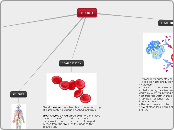
Erythrocytes or red blood cells: Are the most common type of blood cell. They contain haemoglobin, a red molecule which transports oxygen from the alveoli of the lungs to the body's cells.
Leukocytes or white blood cells: These cells help to protect the body from infections and eliminate cellular waste after infections.
Thrombocytes or platelets: Are not true cells. They contain substances that allow the blood to coagulate, which prevents haemorrhages.
FUNCTION
· It transports nutrients and oxygen to all cells.
· It collects waste products released during cell metabolism.
· It transports hormones around the body.
· It helps to regulate temperature. The blood works like a central heating system, moving body heat from the warmer areas to the cooler ones.
· It plays an essential role in protecting the body from infections.
· The body uses a number of mechanisms to prevent blood loss when a blood vessel is broken.