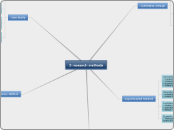
5 research methods
Correlation Design
Description:
- measuring relation between two variables
- positive correlation
- negative correlation
Strengths:
- quick
- easy
- describes strength of relationship
- ability to be subsumed under another category
Limitations:
- not causation
- intervenance of unmeasured variable
Example:
- positive correlation between intelligence and grade point average such that the more intelligent a person is, the higher their grade point average
Experimental Method
Description:
- manipulation of minimum one variable
- measurement of minimum one other variable
- experimental group
- control group
Strengths:
- potential cause-effect answers
- control situation
Limitations:
- studies conducted in contrived/ artificial laboratory settings
- practical
- ethical
Example:
- Testing the effects of ritalin medication on the attention spans of children with ADHD
Naturalistic Observation
Description:
- participants observed in natural setting
- no interference
Strengths:
- participants react normally
Limitations:
- time consuming
- no control
- uncertain results
- researcher not completely unobstrusive
Example:
- researcher observing wild animals without interference
Case Study
Description:
- detailed information about individual
- develop general behavioral principles
Strengths:
- more revelation about subject
- great depth study
- rare disorders/circumstances
Limitations:
- time consuming
- effort
- attention to detail
- difficult generalization
Example:
- following one child from conception to adulthood to examine his specific lifespan development
Survey Method
Description:
- questioning large group of people
- representative sample
Strengths:
- very quick
- efficient
Limitations:
- precise questions preventing confusion/bias
- difficulty gaining in-depth knowledge
- no guarantee of honesty
Example:
- survey of first-time pregnant women on their beliefs about
their efficacy on being a mother