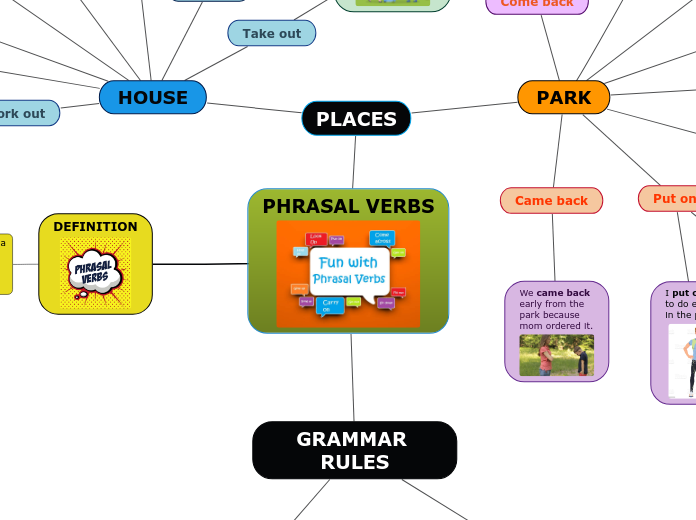
PHRASAL VERBS
DEFINITION

They are compound verbs that have a different meaning from the original verb, since they are formed with a verb and a grammatical complement (a preposition, an adverb or both).
HOUSE
PARK
PLACES
Took off
Pick up
Get to
Came back
Sit on
Put on
Call off
We get to the park early every weekend.

It was warm outside in the park, so I took off my jacket.

Let’s call off our visit to the park, the weather is horrible.
We pick up trash from the park.

I wanted to run in the park so I put on my running shoes.

My friend told me to sit on the park bench while she bought ice cream.

We came back early from the park because mom ordered it.

Get up
Away up
Turn off
Cut up
Move in
Get on
Take out
I get up early every day to go to school.

I take out the rubbish on Monday in the morning

We turn off the lights before going to sleep.

He cuts the pie up into the little pieces for the family

We moved in to another house in the neighborhood.
I put away all my clothes and tidy up my room.

I get on with my homework because it is for tomorrow.

GRAMMAR RULES
TRANSITIVE

INTRANSITIVE
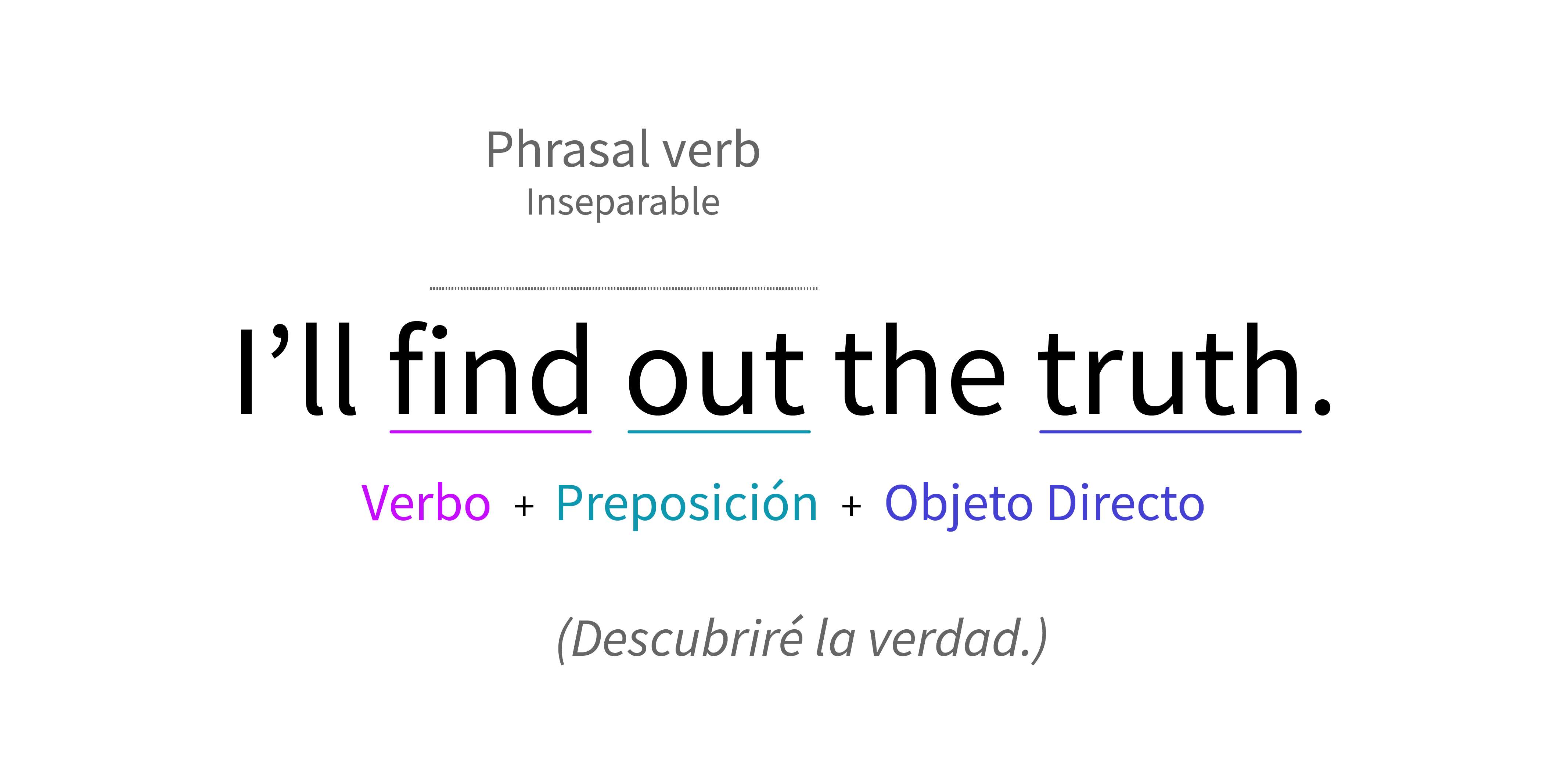
Transitive phrasal verbs need an object or complement and can be separable or inseparable.
They do NOT need an object and the verb and the particle are always inseparable.
EXAMPLES
Where did you grow up?

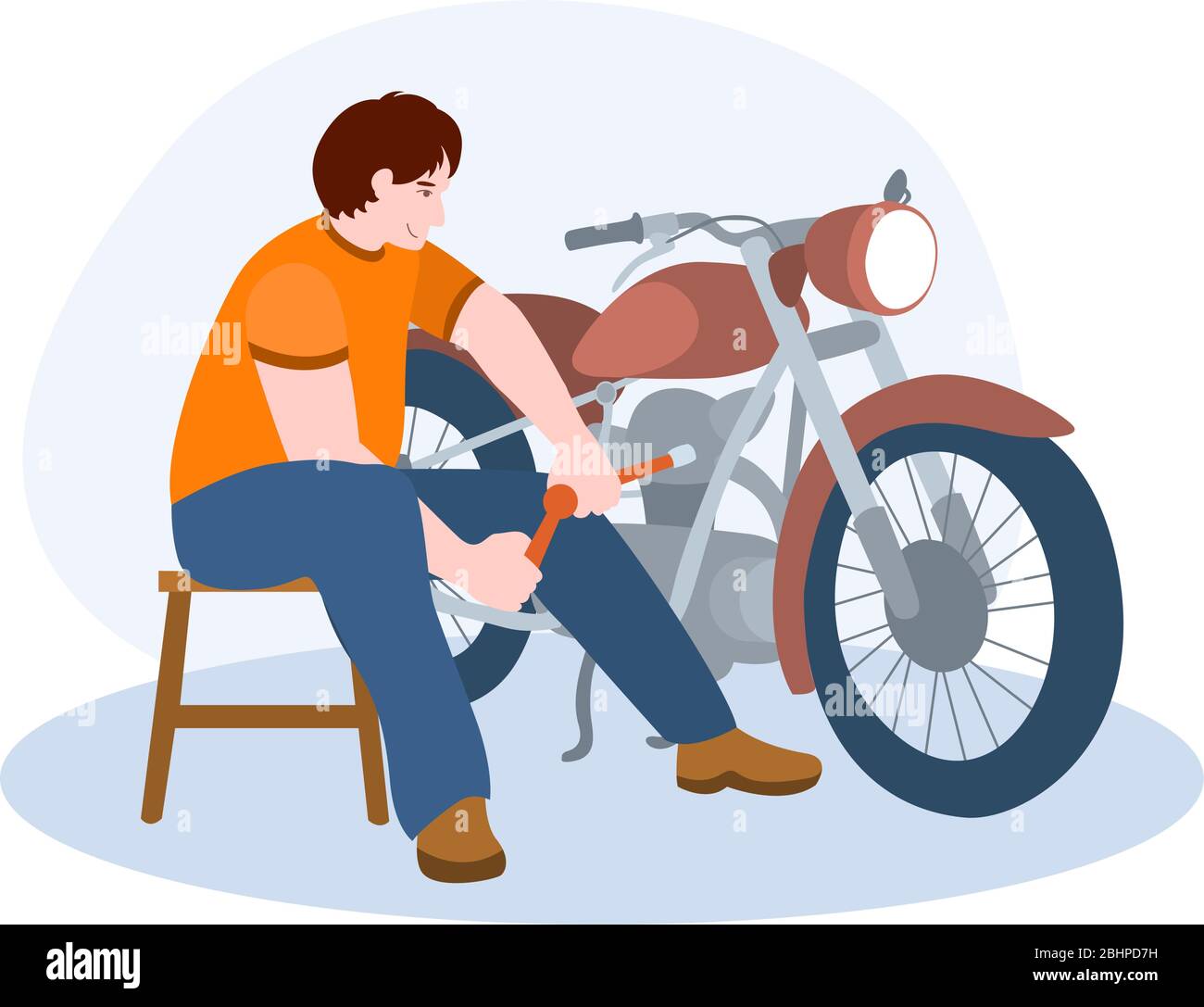
I hate this motorbike. It breaks down all the time!
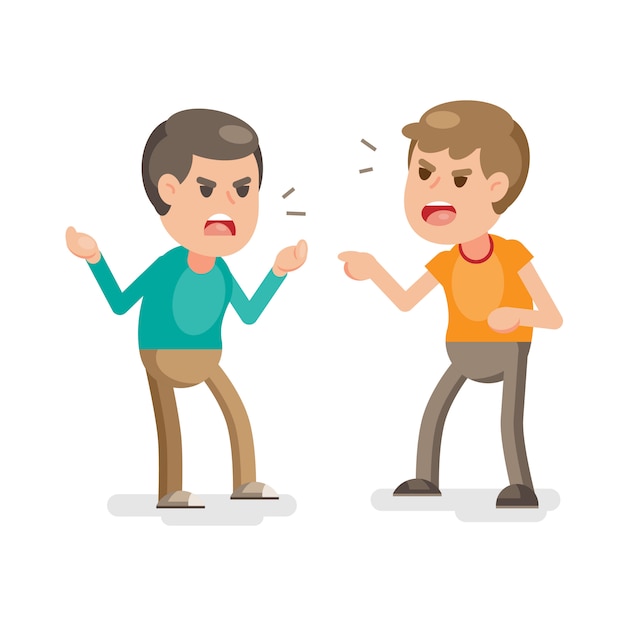
Mark and Rox had an argument but they’ve made up now.
TYPES
SEPARABLE
INSEPARABLE
Please fill the application out.
She has already looked the word up in the dictionary.
I am sure he will put the meeting off.
I came across a ring in the street last Friday

My little brother is growing up very quickly.

Yesterday we went over the main topics

EXAMPLES
EXAMPLES
I love working out in my house.

Work out
Sally is going to the park tomorrow and coming back in the afternoon.

Come back
I put on pans to do exercise in the park
