Animal Farm Characters
Animal Farm

Napoleon
Snowball
Squealer

Old Major
Boxer
Moses
Mollie
Benjamin

Mr. Jones
Mr. Frederick
Mr. Pilkington
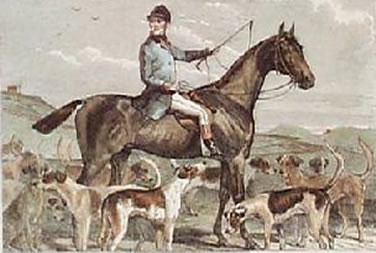
Mr. Pilkington owns Foxwood, a neighboring farm. He is an easy-going gentleman farmer who spent most of his time in fishing or hunting.
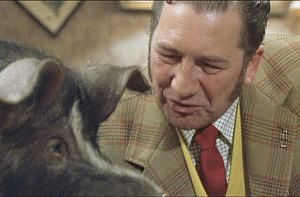
Mr. Frederick owns the neighboring farm of Pinchfield. He's a tough, shrewd man often involved in lawsuits.
Mr Jones is the owner of Manor Farm. He is drunk, cruel, and an awful leader. He is taken by surprise by the animals when they fight back against him and his men, so much so that he is thrown off the farm.
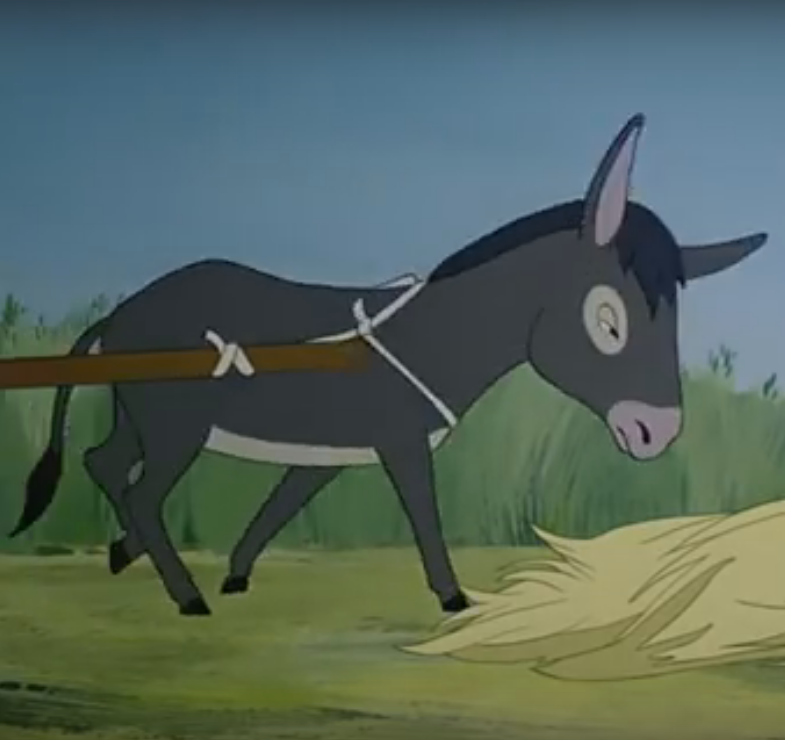
Benjamin is an old and pessimistic donkey. He doesn't care who's in charge of the farm because he says it won't make a difference in his life.
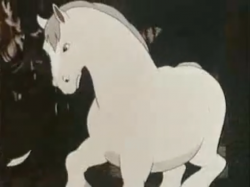
Mollie is a stupid, vain, and materialistic mare. She has a better relationship with humans because of his materialist personality, demonstrated when she gets the ribbons from Jones house.
Moses is a raven, Jones' favorite pet. One day, he says, their labor and suffering will come to an end and they'll all live happily on a country called Sugarcandy Mountain.
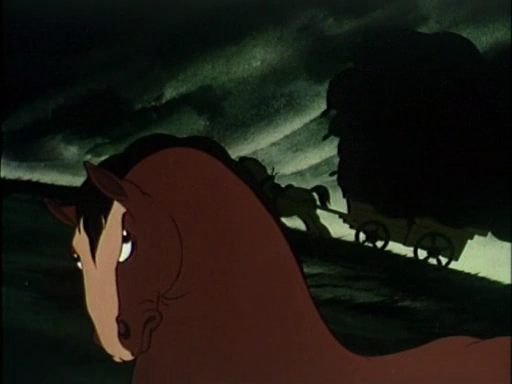
Boxer is the strongest animal on the farm, he is a hard worker, strong, loyal and caring. The pigs take advantage of this and make him work until he collapses. His motto was: 'I will work harder'.
Old Major is very intelligent, well-respected, an excellent speaker and an inspiration to the animals. He started the animalist rebellion with his speech about a dream he had, pointing out how cruel the men were to the animals.
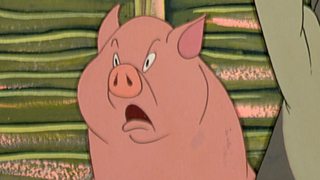
Squealer is a persuasive, brilliant talker and he is able to convince the other animals about everything he says. In the book, they said that Squealer could turn black into white.
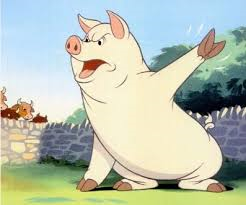
Snowball is an intelligent and animated pig. He comes up with new ideas such as providing education and better conditions on the farm and cares about the working animals. Napoleon does not like Snowball's ideas and so has him chased off the farm by his guard dogs.
Napoleon is a Berkshire boar described as smart, threatening and fierce looking. He uses military force, as we can see when he rises the nine attack dogs, to intimidate the other animals and consolidate his power. He is not a gifted speaker but is known for getting his own way.
Russian Revolution
Stalin
Trotsky

Russian Propaganda
Lenin / Karl Max
Peasant Workers
Russian Orthodox Church

Russian Bourgeoisie
Skeptics
Tsar Nicholas II
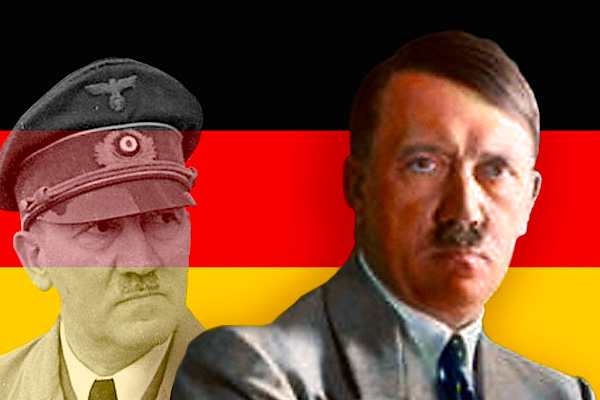
Germany
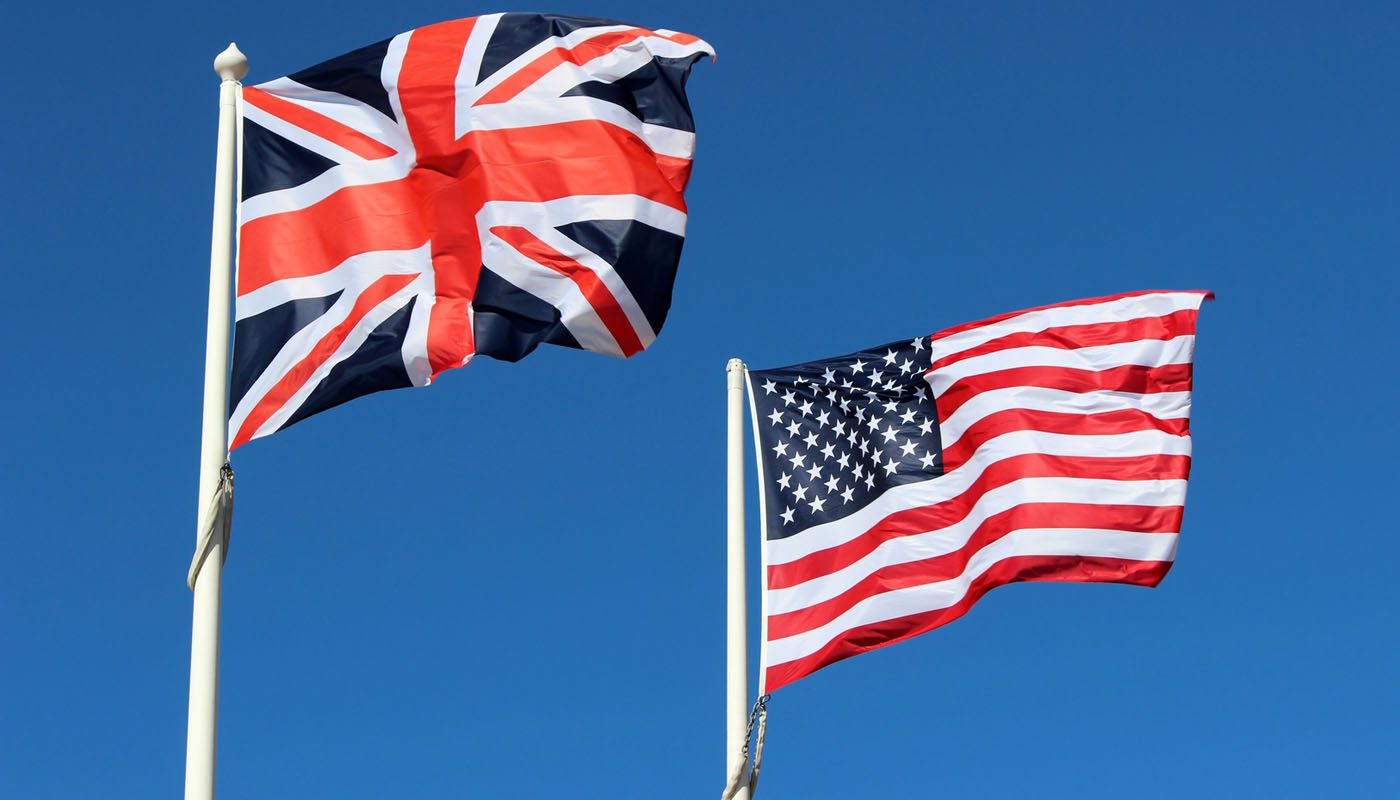
USA, UK, Western Countries
The USA, the UK and other western countries were afraid that the communism might spread to their countries.
Hitler signed a non-aggression pact with Stalin in 1941. The same year, Hitler broke this pact when Germany launched Operation Barbarossa, a massive surprise attack into Soviet territory.
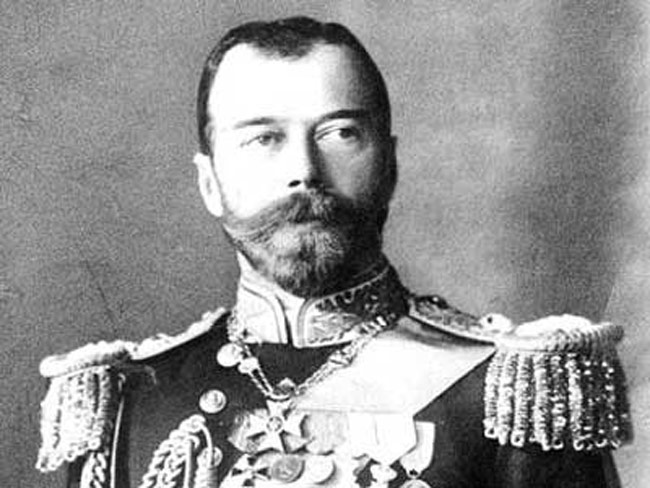
Nicholas II was the last of the Russian Tsars. During the Russian Revolution, Nicholas was forced to abdicate the throne. The Bolsheviks, under the leadership of Vladimir Lenin, took total control of Russia.
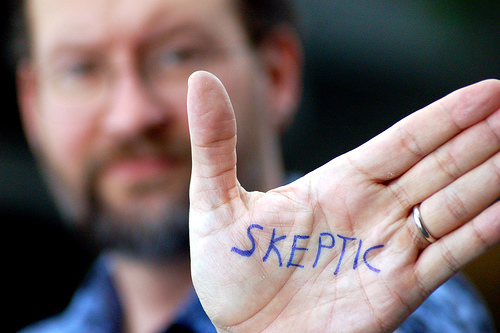
The skeptics in Russia weren't interested in the Russian Revolution and had long-term vision: unlike anyone else, they remembered the past and thought about the future.
The Russian Bourgeoisie weren't exactly unfaithful to the Bolsheviks, but they weren't about to give up their luxuries. When the Bolsheviks asked to do so, many of them abandoned the cause and fled to the West.
Moses is a symbol for the Russian Orthodox Church. Stalin declared that religion was obsolete; he wanted to replace religion with science and reason. When Stalin was looking for patriotic support for the war against Germany in 1941, he re-instituted the Church.
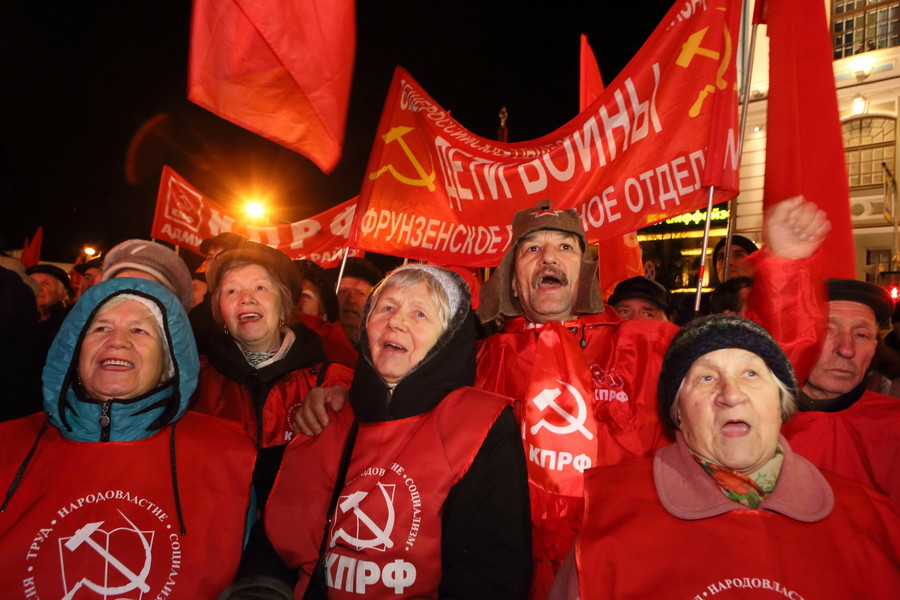
The peasant workers of Russia were exploited by the Tsar Nicholas II who ruled from 1894 until his expulsion in 1917. The Revolution only led to more hardship and starvation under the rule of Stalin.
Karl Marx was a German philosopher who lived during the 19th-century. His ideas formed the basis of communism.
Lenin was a Russian revolutionary who established a form of Marxism in Russia in the early 20th-century.
In the Russian revolution Stalin used political propaganda to promote himself as a kind and caring leader to his people. The news were manipulated to convince people about the communist ideas.
Trotsky was a leader of the Red Army. After the Revolution he was involved in Russian foreign affairs and policy making. He opposed Stalin's decisions and was forced into exile from the Soviet Union in 1929. He resided in Mexico. He was assassinated in 1940.
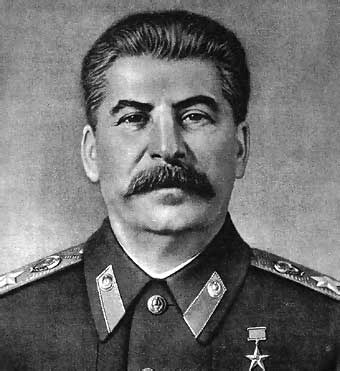
Stalin was involved in the Russian Revolution of 1917 and came to rule Soviet Russia after the death of Lenin in 1924. He ruled until his death in 1953. During his time in power, the country was gripped by famine and fear, millions of people starved to death and those who opposed him were imprisoned or killed.