arabera Ana Maria Martin 3 years ago
504
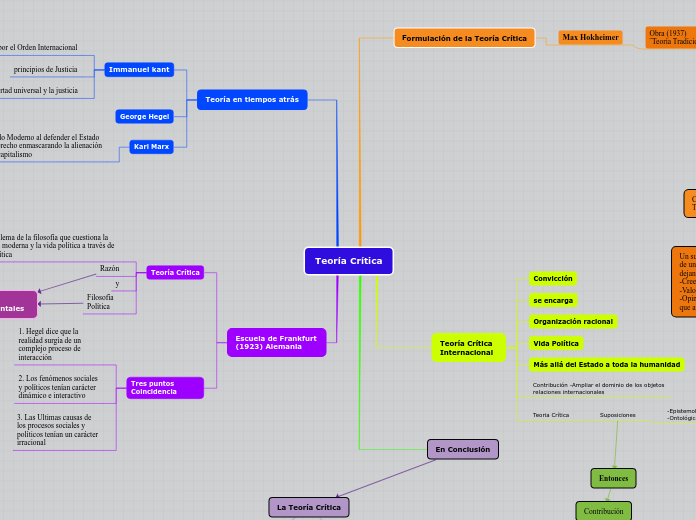
Teoría Crítica
arabera Ana Maria Martin 3 years ago
504
Honelako gehiago
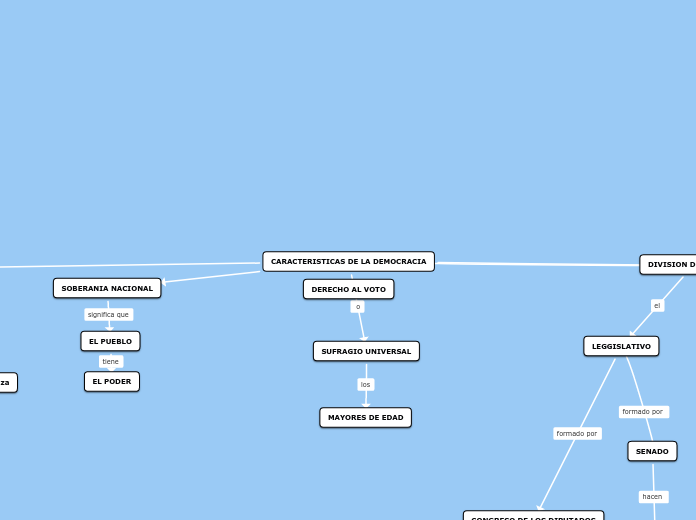

Lisandro Ruiz Fernandez‑k egina
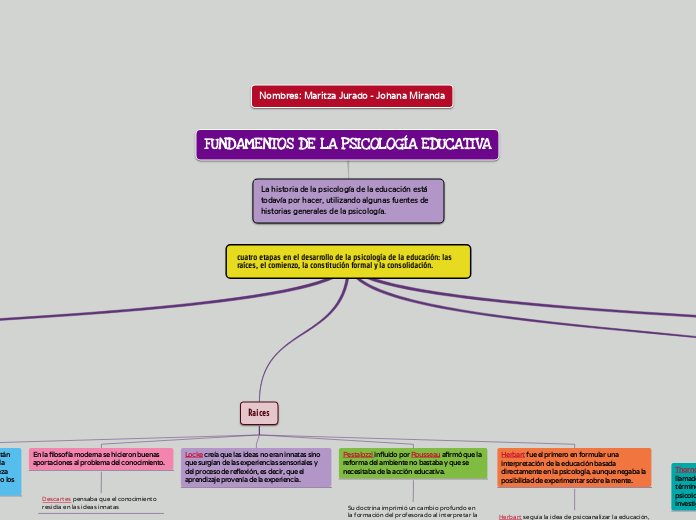
JOHANA CAMILA MIRANDA CEBALLOS‑k egina

Myriam Obermeister‑k egina
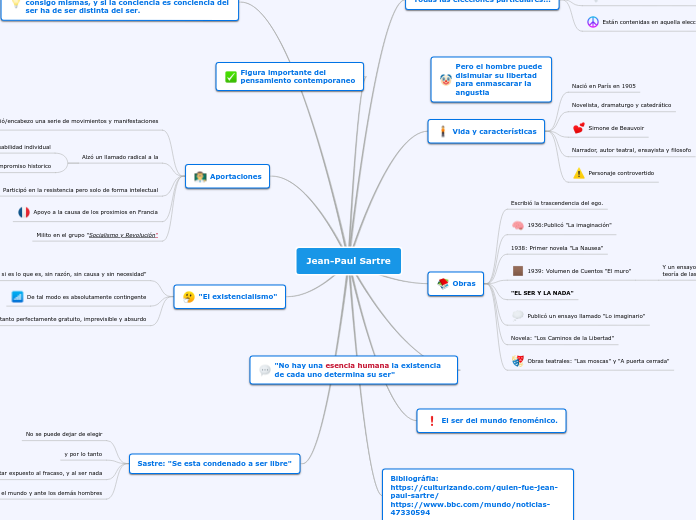
Hector Correa‑k egina
In linguistics, syntax is the set of rules, principles, and processes that govern the structure of sentences in a given language, usually including word order.
A compound sentence is a sentence that has at least two independent clauses joined by a comma, semicolon or conjunction. An independent clause is a clause that has a subject and verb and forms a complete thought.
Create your own compound sentences, using the coordinators above.
When independent clauses are joined with coordinators (also called coordinating conjunctions), commas and semicolons, they do more than just join the clauses. They add meaning and flow to your writing.
A complex sentence is a sentence that contains an independent clause and one or more dependent clauses.
An independent clause can stand alone as a sentence, but a dependent clause even though it has a subject and a verb cannot stand alone.
Attributive clauses serve as an attribute to a noun (pronoun) in the main clause. This noun or pronoun is called the antecedent of the clause.
An adverbial clause is a group of two or more words that function as an adverb in a sentence.
An appositive clause follows another noun or noun phrase in apposition to it; that is, it provides information that further identifies or defines it.
-Epistemológicas -Ontológicas
See the example below and try to create your own simple sentences.
Tim is driving the red car.
See the example below and try to create your own simple sentences.
Tim is driving the car with his mother.
See the example below and try to create your own simple sentences.
Tim is the driver.
See the example below and try to create your own simple sentences.
Tim drives the car.
See the example below and try to create your own simple sentences.
Tim drives.
Marxismo Heterodoxo


