jonka Арина Пахомова 3 vuotta sitten
291
Сложносочиненное предложение
jonka Арина Пахомова 3 vuotta sitten
291
Lisää tämän kaltaisia
Tenses demonstrate the time of actions centered around the subject of the sentence. These actions are called verbs and change according to tenses.
There are four Future tenses:
Future Perfect Simple is used for:
Adverb used with Future Continuous:
Structure:
Subject + Won’t Have + Past Participle
e.g. I won’t have met my friend form United States by this time tomorrow.
Type in your own examples or you can also choose from the examples below.
Form of word "to be":
Form of word "to have":
Structure:
Subject + Will Have + Past Participle
e.g. I will have met my friend form United States by this time tomorrow.
Type in your own examples or you can also choose from the examples below.
Form of verb 'to be':
Form of verb 'to have':
Future Continuous is used:
Adverb used with Future Continuous:
Structure:
Subject + Will Be + Verb-ING
e.g. You will be having fun at the party.
Examples
Type in your own examples or you can also choose from the examples below.
Form of verb 'to be':
Form of verb 'to have':
Future Simple is used:
'Going to' Future is used:
Some adverbs used with 'Going to' Future:
Structure:
BE + Subject + going to + Infinitive Form of Verb?
e.g. Are you going to read the whole book over the weekend?
Future Simple with 'will'' is used:
Some adverbs used with Future Simple:
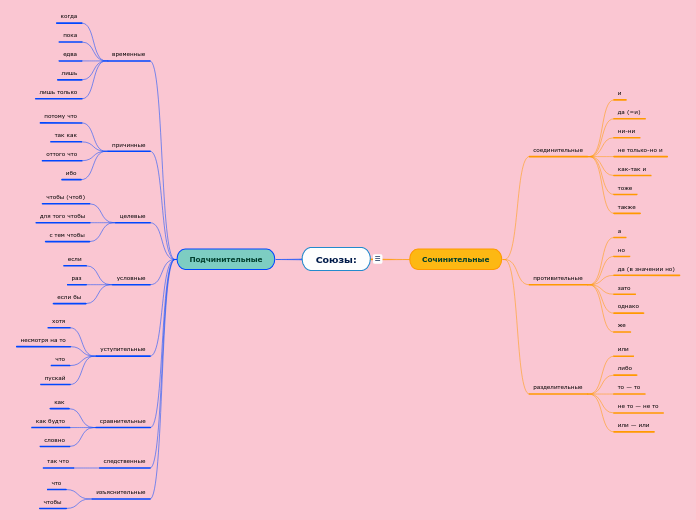
что, чтобы, поэтому, как, если, словно, будто, где, когда
Structure:
Subject + Won’t (will not) + V1(First Form of Verb)
e.g. You won’t see Mary when she comes back from Denmark.
И, а, или, но, зато, однако, либо, тоже, также
Structure:
Subject + Will + V1(First Form of Verb)
e.g. I will see Mary when she comes back from Denmark.