Produkte
Mindmap Programm
Gliederungen Programm
Software für Gantt-Diagramme
Anwendungen
Mindmaps für Bildung
Mindmaps für Unternehmen
Mindmaps für die persönliche Entwicklung
Mindmapping Vorteile
Ressourcen
Funktionen
Bildung
Persönlich & Beruflich
Desktop
Videoanleitungen
Sehen Sie sich Tipps und Tricks zur Verwendung von Mindomo an.
Hilfezentrum
Detaillierte Hilfeanleitung zur Konfiguration und Verwendung von Mindomo.
Artikel
Was ist eine Mindmap?
Wie man eine Mindmap erstellt?
Wie kann man mit Mindmaps Notizen machen?
Mindmapping als assistive Technologie
Was ist eine Concept Map?
Die 29 besten Mindmap-Beispiele
Preise
Anmelden
Registrieren
Produkte
Mindmap Programm
Gliederungen Programm
Software für Gantt-Diagramme
Anwendungen
Mindmaps für Bildung
Mindmaps für Unternehmen
Mindmaps für die persönliche Entwicklung
Mindmapping Vorteile
Artikel
Was ist eine Mindmap?
Wie man eine Mindmap erstellt?
Wie kann man mit Mindmaps Notizen machen?
Mindmapping als assistive Technologie
Was ist eine Concept Map?
Die 29 besten Mindmap-Beispiele
Funktionen
Bildung
Persönlich & Beruflich
Desktop
Hilfe
Videoanleitungen
Hilfezentrum
Preise
Registrieren
Anmelden
Kategorien:
Alle
-
diffusion
-
trade
-
disease
-
domestication
von
Ben Woodberry
Vor 14 Jahren
1611
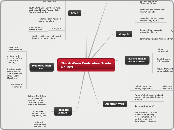
Third-Wave Civilization Trade Routes
Öffnen
Mehr dazu
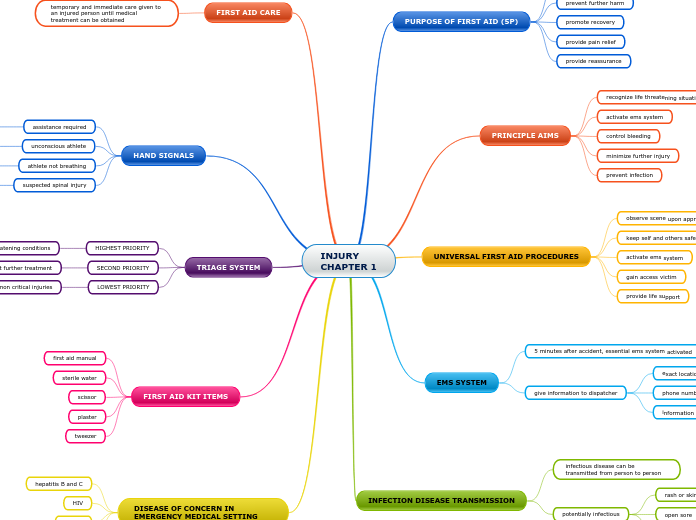
INJURY CHAPTER 1
von Izaty Yusof
Pax Romana
von Morgan Cook
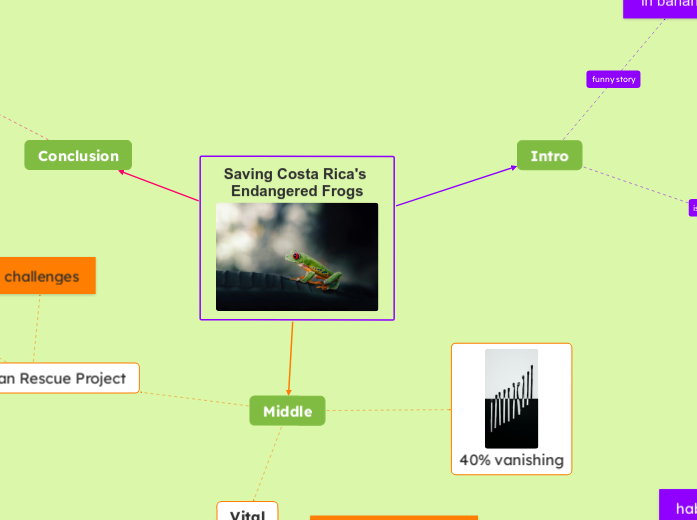
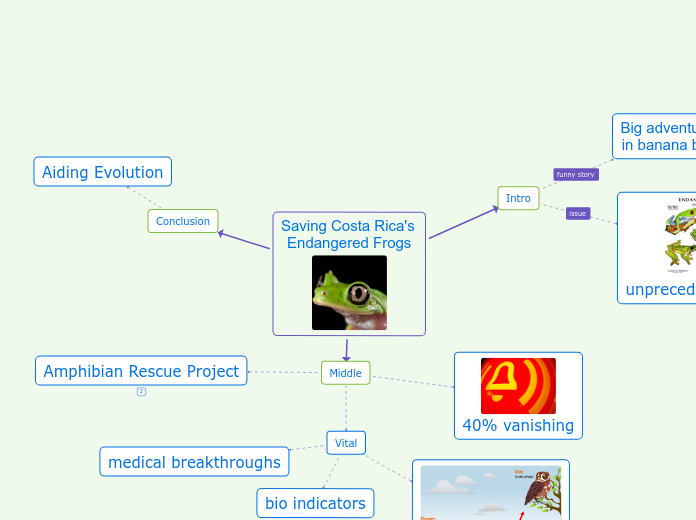
Saving Costa Rica's Endangered Frogs
von Mindomo Team
Saving Costa Rica's Endangered Frogs
von Mindomo Team
Third-Wave Civilization Trade Routes
Hanseatic League
trade with Scandanavia and Kiev Rus
timber, wax, amber, resins, fur, wheat, rye
Baltic to North Sea, on the coast of Northern Europe; "merchant guilds"; 13th-17th centuries
Mediterranean Sea
wine was a commodity
involved Arabs (Muslim world) and Byzantines (Gaul, Iberia, Moaghreb)
minimal trade occurred before fall of Rome (476 CE)
called the Mare Nostrum
IOMS
Swahili civilization; influenced heavily by Bantu culture
Srivijaya
Major Buddhist center in Asia
sailors seldom retained ties to homeland
South China Sea, Southeast Asia, west coast (India), Persian Gulf, East Africa (Zanzibar)
"The Periplus of the Erythrean Sea"
spices, aromatic resins, pearls, Chinese pottery, wine, ivory, porcelain, etc.
American Web
south-to-north diffusion of maize, originating in Mesoamerica; also a north-to-south into the Andean civilization
No "great traditions"
Panama's bottleneck inhibited contact bettween North/South America
limited interaction among large areas
Mainyly Pochteca and Cahokian trading
Trans-Saharan Trade Routes
moved from cattle breeders to horse&chariot, then camels
South Saharan salt deposits
exchanged salt for kola nuts and palm oil
animal domestication
Mongols
commerce between China and Persia
Genghis Khan supports international trade
Pax Mongolica
Silk Roads
Spread of the Black Death, Bubonic plague, etc.
connected the Middle East with China/India
Chinese capital of Chang'an (Tang)
Gandhara culture; Zhang Qian is the father of the Road; defense against the Xiongnu by alliance with the Yuezhi
138 BCE - China needs horses, trades silk in return; mulberry bushes are a limiting resource for silkworms