Products
Mind Mapping Software
Outlining Software
Gantt Charts Software
Uses
Mind Maps for Education
Mind maps for Business
Mind Maps for Personal Development
Mind Mapping Benefits
Resources
Features
Education
Personal & Work
Desktop
Video Tutorials
Watch tips and tricks about using Mindomo.
Help Center
Detailed help guide on configuring and using Mindomo.
Articles
What is a Mind Map?
How to Mind Map?
How to Take Notes with Mind Maps?
How to Prioritize Tasks with Mind Maps?
What is a Concept Map?
Top 29 Mind Map Examples
Pricing
Log in
Sign Up
Products
Mind Mapping Software
Outlining Software
Gantt Charts Software
Uses
Mind Maps for Education
Mind maps for Business
Mind Maps for Personal Development
Mind Mapping Benefits
Articles
What is a Mind Map?
How to Mind Map?
How to Take Notes with Mind Maps?
How to Prioritize Tasks with Mind Maps?
What is a Concept Map?
Top 29 Mind Map Examples
Features
Education
Personal & Work
Desktop
Help
Video Tutorials
Help Center
Pricing
Sign Up
Log in
Categories:
All
-
macromolecules
-
carbohydrates
-
lipids
-
proteins
by
cooper dettra
7 years ago
520
dettra macromolucules concept map
Open
More like this
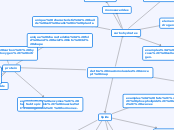
YOSHE-BIOLOGY-the digestive system
by yoshe watson
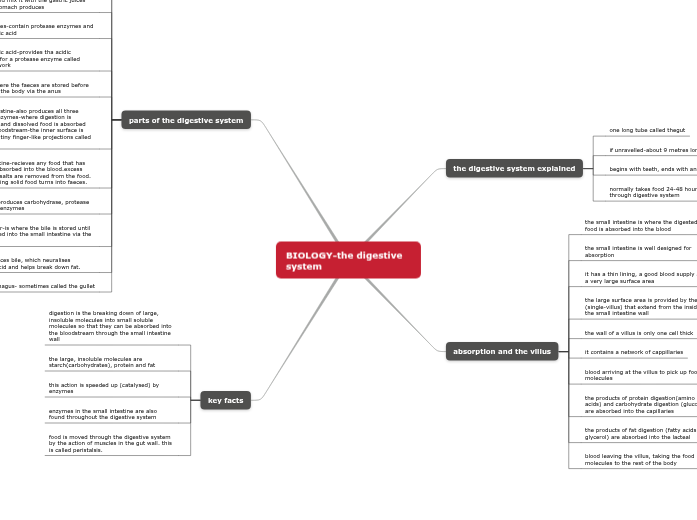
Mrs. Kriete's Daily Agenda Spring 24
by Rachael Kriete
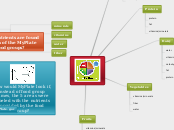
MyPlate nutrients
by Camille Smith
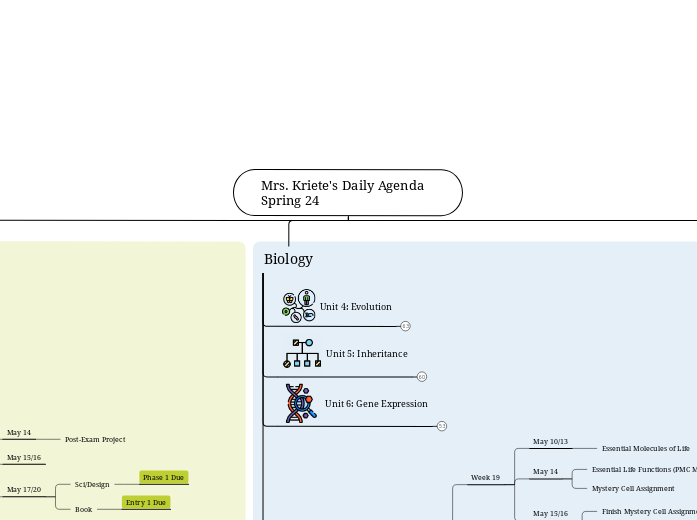
Mrs. Kriete's Daily Agenda Spring 24
by Rachael Kriete
monosacerides
nucleic acid
unique characteristic: double helix.
functions: store and transfers genetic information.
elements: carbon, hydrogen, oxygen, nitrogen, phosphorous
nucleotides
triglycerides
dettra macromolucules concept map
protein
unique characteristics: fold and twist into 3d shape
examples: enzymes, hair, skin, muscles, fingernails, hormones.
Subtopic
functions: help make structure, enzymes, hormones, movement, immune system.
elements: carbon, hydrogen, oxygen, nitrogen
amino acids
carbohydrates
unique characteristic: builds cell walls in plants.
examples: starch, glucose, cellulose, glycogen.
functions: stored and quick energy
elements: carbon, hydrogen, oxygen
lipids
unique characteristics: phospholipids make up most of cell membrane, hydrophobic, saturated fats, unsaturated fats.
examples: fats, oils, phospholipids, steroids, waxes
functions: long term energy, insulation
Elements: Carbon, Hydrogen, Oxygen