Produtos
Software de mapeamento mental
Delineando Software
Software de gráficos de Gantt
Utilidade
Mapas Mentais para Educação
Mapas mentais para Empresas
Mapas mentais para desenvolvimento pessoal
Benefícios do Mapa Mental
Recursos
Características
Educação
Pessoal & Profissional
Desktop
Tutoriais em vídeo
Assista dicas e truques sobre como usar o Mindomo.
Centro de ajuda
Guia de ajuda detalhado sobre como configurar e usar o Mindomo.
Artigos
O que é um Mapa Mental?
How to Mind Map?
How to Take Notes with Mind Maps?
How to Prioritize Tasks with Mind Maps?
O que é um mapa conceitual?
Os 29 principais exemplos de mapas mentais
Preços
Iniciar Sessão
Cadastre-se
Produtos
Software de mapeamento mental
Delineando Software
Software de gráficos de Gantt
Utilidade
Mapas Mentais para Educação
Mapas mentais para Empresas
Mapas mentais para desenvolvimento pessoal
Benefícios do Mapa Mental
Artigos
O que é um Mapa Mental?
How to Mind Map?
How to Take Notes with Mind Maps?
How to Prioritize Tasks with Mind Maps?
O que é um mapa conceitual?
Os 29 principais exemplos de mapas mentais
Características
Educação
Pessoal & Profissional
Desktop
Ajuda
Tutoriais em vídeo
Centro de ajuda
Preços
Cadastre-se
Iniciar Sessão
Categorias:
Todos
-
stress
-
attachment
-
survival
-
behavior
por
Alexander Sadler
17 anos atrás
978
Bowlby & Evolutionary Theories on Attachment
Abrir
Mais informações
Transactional Models for behaviour and emotional difficulties
por Joerg Bauer
DANIEL DEFOE (1660-1
por Ardo Ardi
child developement: temperament
por Joerg Bauer
Unity3D : BehaviorDesigner
por Mike Ton
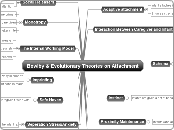
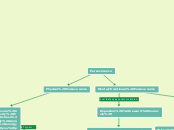
Bowlby & Evolutionary Theories on Attachment
Critical Period
A certain time in the infants childhood where strong bonds are much more likely to take place
Seperation Stress/Anxiety
Discomfort is shown when the infant is:
Carer ignores the infant
Taken away from the carer
Secure Base
Often shown when the infant checks to see if caregiver is still within close proximity when exploring nearby area's
The caregiver has a proximity where the infant is safe to explore the surrounding area
Safe Haven
Returning back to the caregiver if faced with:
Danger
Stress
Fear
Proximity Maintenance
Infants (and adults) will keep close to people who they are attached to
Imprinting
Infants will try to engage socailly with the caregiver to ensure a tight bond is made
Infants are naturally inclined to help caregivers in everyday scenario's
Instinct
Infants are given a set of behaviours that are designed to call the mother to its side:
Laughter
Mimicking
Crying
The Internal Working Model
Also effects future attachments and effects how the infant or adult will react in socail situations
Tells the infant if it can rely on its caregiver to give it support in times of stress etc
A set of expectations developed by the infant's attachment to its caregiver
Schema
Childs schema of caregiver:
Gives Protection
Gives Shelter
Gives Affection
Gives Food
Packets of information contained in the memory
Monotropy
Proven to be utter shite
Based on care given
Child develops a heirarchy of caregivers with one primary
Interaction Between Caregiver and Infant
Infants will not form bonds through stress or pain releif, a carer has to be consistant to win attachment
Needed for survival
Without interaction attachment is not ensured
Adaptive attachment
Ensures species survival
Infant attaches itself to caregiver for resources
Socail Releasers
Designed to get caregiver's attention
Behavior such as smiling, crying etc