


The skills matrix nobody opens
Most skills matrices end the same way. Someone in HR builds a spreadsheet, sends it round for managers to fill in, chases down the last few cells, and saves it in a shared drive folder where it stays for nine months. By the time anyone opens it, three people have left, two have changed roles, and the proficiency levels reflect a team that no longer exists.
The questions HR actually needs to answer are still there. Who already has this skill? Where are we missing expertise? Who could mentor someone coming up? Are we prepared if a key person leaves? A grid of cells in a spreadsheet can technically hold the answers, but it can't surface them. Nobody scrolls a 40-column matrix looking for patterns. Nobody opens a tab called skills_matrix_v7_FINAL_updated.xlsx to plan next quarter's training.
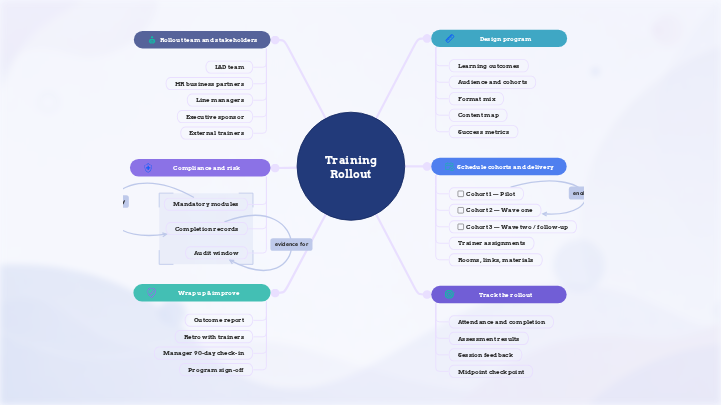
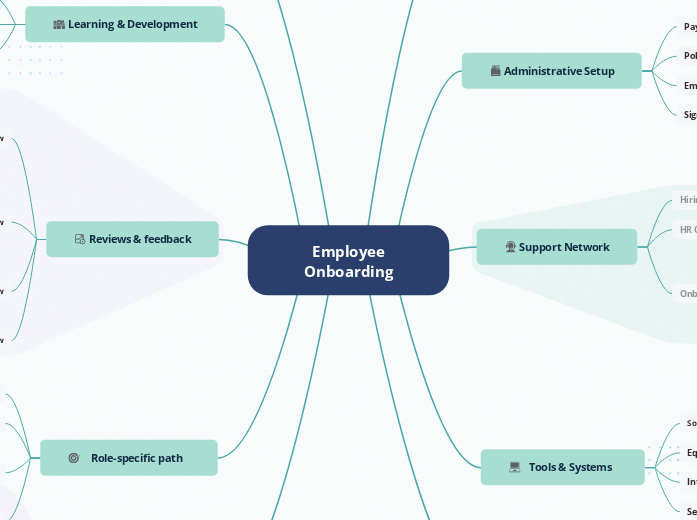
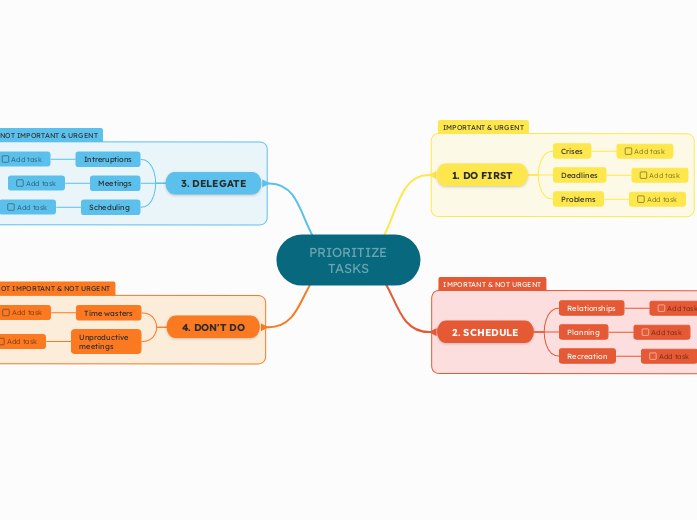
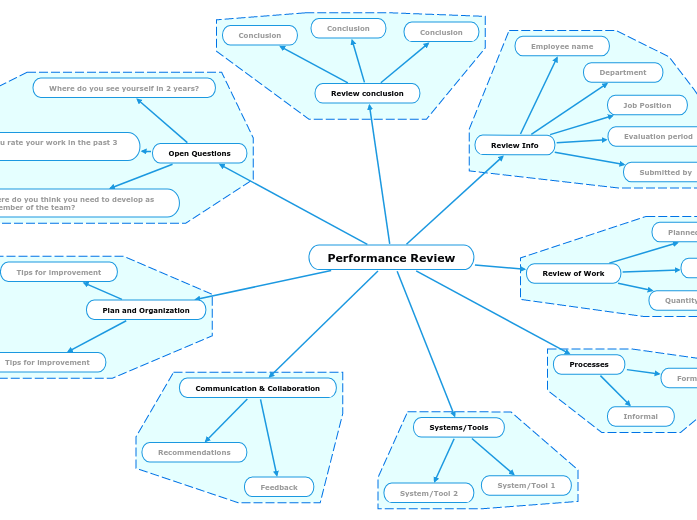
A visual skills matrix changes the rhythm. The structure of capability is the first thing you see. Gaps show up as shape, not as a count of empty cells. The document becomes something managers want to open, because reading it takes seconds.
Where the matrix actually shows up
A skills matrix is the rare HR document people open more than once. Most people documents get built for a single moment, a review cycle, an audit, a re-org, and then sit unused until the next one. The matrix is different because the same underlying data answers a different question every time someone opens it.
That's what makes it worth keeping current. HR owns the structure. Managers read their own team's branch in the morning before a one-to-one. Leadership opens the whole canvas before a board review. Same document, different readers, different conversations.