A top-down, answer-first storyline bridge connecting Issue Tree logic to Statement of Work deliverables before deck development. It translates key questions and hypotheses into defined workstreams, outputs, and a clear presentation structure. This storyline answer-first template helps consultants, strategists, analysts, and business teams structure clear, persuasive communication by starting with the key answer and supporting it with logically organized arguments and evidence. It provides a visual framework for defining the main message, building supporting points, connecting insights, and shaping a coherent storyline before creating a presentation or report. Use this template to clarify the core recommendation, organize supporting arguments, validate the logic of your story, identify evidence gaps, and ensure each section contributes directly to the main conclusion. It is especially useful for executive presentations, consulting deliverables, strategic recommendations, and other situations where concise, top-down communication is essential. Use this bridge template to turn an engagement question into an answer-first storyline that is both logically sufficient and contractually grounded. Start with the one-sentence answer, derive three mutually reinforcing arguments from the Issue Tree, and test that each argument lands in a scoped Statement of Work deliverable before the deck is written. An argument that cannot attach to a scoped deliverable is either out of scope or a potential change order. Define the proposed next step. List the inputs needed to proceed. Name the owner and first-30-day plan. Describe the first action. Review likely concerns. Enter the point to acknowledge. Enter the evidence-based response. Enter the main objection. Develop the third supporting argument. State why Argument 3 matters. Name the scoped deliverable for Argument 3. Name the issue-tree branch answered by Argument 3. List the evidence for Argument 3. Write the claim for Argument 3. Develop the second supporting argument. State why Argument 2 matters. Name the scoped deliverable for Argument 2. Name the issue-tree branch answered by Argument 2. List the evidence for Argument 2. Write the claim for Argument 2. Develop the first supporting argument. State why Argument 1 matters. Name the scoped deliverable for Argument 1. Name the issue-tree branch answered by Argument 1. List the evidence for Argument 1. Write the claim for Argument 1. Capture the change that created urgency. Enter the consequence of inaction. Enter the event that created urgency. Define the engagement question. List the requirements for a complete answer. Enter the Issue Tree root question. Le mappe mentali aiutano a fare brainstorming, a stabilire relazioni tra i concetti, a organizzare e generare idee. Tuttavia, i modelli di mappe concettuali e mentali vuote offrono un modo più semplice per iniziare, in quanto sono strutture che contengono informazioni su un argomento specifico con istruzioni guida. In sostanza, i modelli di mappe mentali garantiscono la struttura che combina tutti gli elementi di un argomento specifico e servono come punto di partenza per la tua mappa mentale personale. Sono una risorsa che fornisce una soluzione pratica per creare una mappa mentale su un particolare argomento, sia per il lavoro che per l'istruzione. Mindomo offre modelli di mappe mentali intelligenti che consentono di lavorare e pensare senza sforzo. È possibile scegliere tra una varietà di modelli di mappe concettuali dagli account aziendali o educativi di Mindomo, oppure creare i propri modelli di mappe mentali da zero. Qualsiasi mappa mentale può essere trasformata in un modello di mappa concettuale aggiungendo ulteriori note guida a uno dei suoi argomenti.Storyline Answer-First Template
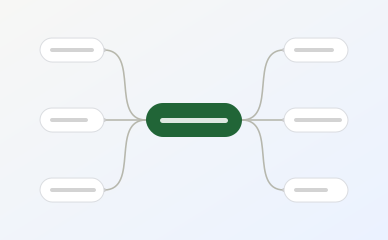
Informazioni su questo modello
Storyline answer-first template
Answer-First Map
The recommendation
What we need from the client
Owner and first 30 days
Action — [what to do first]
Objections
What we concede
Our answer — [evidence that settles it]
Objection — [what they will say]
Argument 3
Argument 2
Argument 1
So-what — [what the client should do about it]
Lands in — [which SOW deliverable carries this]
Answers — [which issue tree branch this closes]
Evidence — [exhibit, source, date]
Claim — [assertive headline, not a topic]
What changed
Cost of doing nothing
Trigger — [the event that made this urgent]
The question to answer
What a good answer must include
From the issue tree root question
Perché utilizzare un modello di mappa concettuale Mindomo?
Un modello ha diverse funzionalità:
-
Prodotti
-
Usi
- Usi generali
- Mappe concettuali per l'educazione
- Mappe concettuali per le Aziende
- Mappe concettuali per la Crescita Personale
- Tecnologia Assistiva
- Collaborazione di team
- Brief di campagna per marketer
- Workshop di scoperta del cliente per consulenti
- Percorsi di onboarding per HR e L&D
- Gestione della conoscenza
- Matrice delle competenze del team
- Libreria dei progetti
- Ruoli
- Marketer
- HR e L&D
- Consulenti
- Gestione dei progetti
- Pianificazione delle campagne marketing
- Rollout della formazione dei dipendenti
- Ambito di lavoro
- Organizzazione delle idee
- Alberi dei problemi
- Analisi dei bisogni formativi
- Vantaggi della Mappa Concettuale
-
Soluzioni
- Guide
- Creare presentazioni con le mappe concettuali
- Come imparare con le mappe concettuali
- Pianificare e organizzare con le mappe concettuali
- Come dare priorità ai compiti con le mappe concettuali
- Prendere appunti con le mappe concettuali
- Storie reali dei clienti
- Scalare contenuti formativi per 11.000 medici
- Flusso di lavoro di team: dalla prova a indispensabile in due mesi
- 10 anni senza slide: ripensare le lezioni di architettura
- Leggi tutte le storie
-
Risorse
- Le basi
- Cos'è una mappa mentale?
- Top 29 Esempi di Mappe Mentali
- Programmi per fare Mappe Concettuali
- Come creare un diagramma di Gantt
- Guide e Supporto
- Video tutorial
- Centro assistenza
- Forum
- Esempi e modelli
- Come fare una mappa concettuale?
- Modelli di Diagrammi
- Esempi di Mappe Concettuali
- Programma per Diagrammi di Gantt
- Pagine funzionalità
- Istruzione
- Compiti per insegnanti
- Lavoro e Personale
- Desktop
- Il blog di Mindomo
- Prezzi
- Accedi
- Registrati
- Dashboard
Vantaggi della Mappa Concettuale
Perché il pensiero visivo rende più facile ricordare e pianificare.
Le basi
Guide e Supporto
Esempi e modelli
Pagine funzionalità
 Blog
Il blog di Mindomo
Guide, esempi e ricerche sul pensiero visivo.
Sfoglia tutti gli articoli