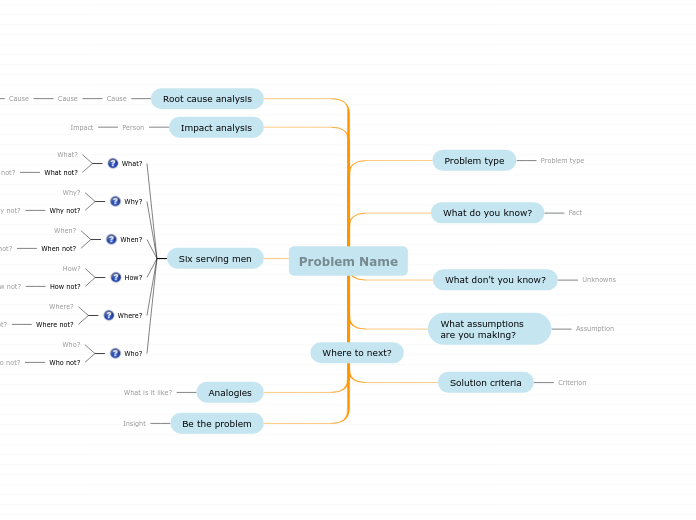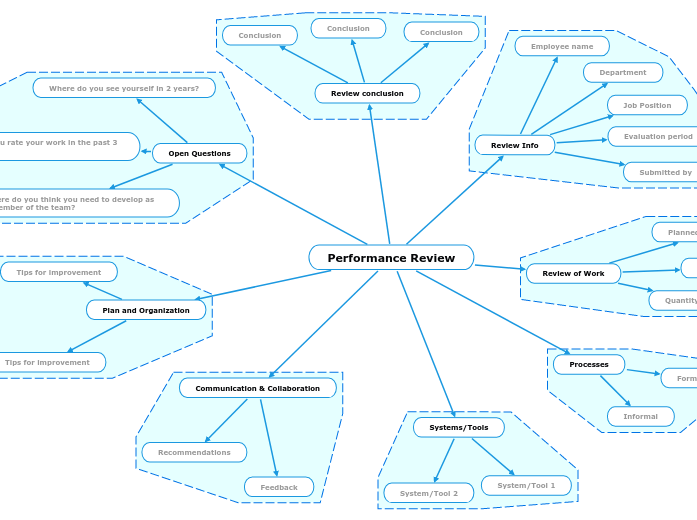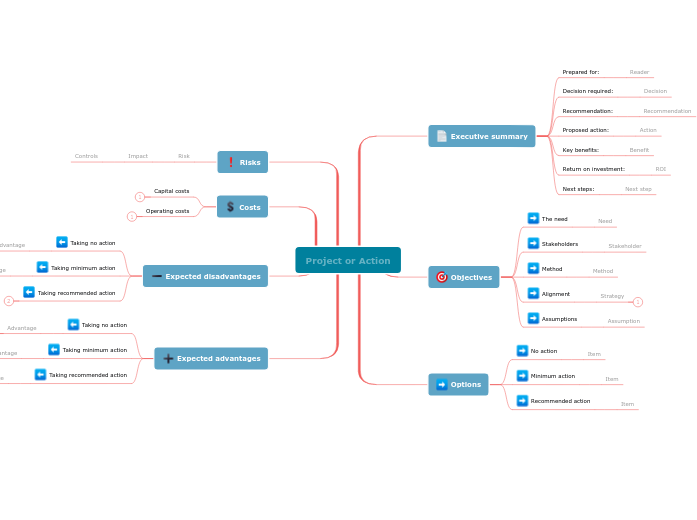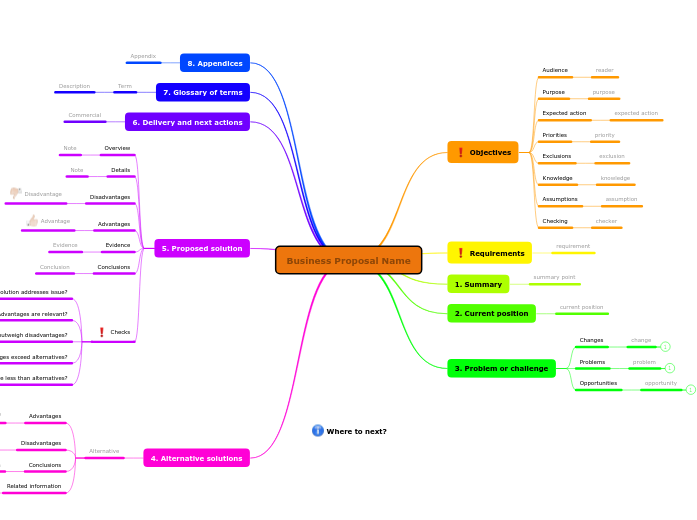
Enter your problem's name and categorize it, whether you want to sort something out, create or just change something. Identify all the information you know as well as the one you don't know about it: include measurements, statistics, surveys or any known data together with uncertain or missing information, anything that will help you frame the entire difficulty. Specify the suppositions you make and think of results in case your presumptions are not valid. Give at least as much importance to the final outcome of a problem, as to the problem state itself. Try out the impersonation technique and be the problem as if it were a person. Once you do this, observe if anything changes, how things are perceived from this perspective, what are the opportunities and obstacles from this approach? Apply the problem analysis method 'Six serving men' and answer openly to each of the six essential questions, both positive and negative to better track the triggers and the situations when the problem manifests itself. The problem description toolbox goes hand in hand with the 5 Whys approach, so include it in the problem's final assessment and go to the root cause of the original issue. Where to next? Name the problem Add a statement describing the problem as if it were a person. What is 'Problem Name' like? Who does not cause 'Problem Name'? Who causes 'Problem Name'? Where does 'Problem Name' not happen? Where does 'Problem Name' happen? How does 'Problem Name' not happen? How does 'Problem Name' happen? When does 'Problem Name' not happen? When does 'Problem Name' happen? Why is 'Problem Name' not a problem? Why is 'Problem Name' a problem? What does not cause 'Problem Name'? What causes 'Problem Name'? Who is affected? How is Person affected by 'Problem Name'? Root Cause analysis Why does 'Problem Name' happen? Why does 'Cause' happen? Why does 'Cause' happen? Why does 'Cause' happen? Why does 'Cause' happen? Add solution criteria Add an assumption Add an unknown factor Add a piece of data Describe the problem type Mielikarttojen avulla voit ideoida, luoda käsitteiden välisiä suhteita, organisoida ja tuottaa ideoita. Mielikarttamallit tarjoavat kuitenkin helpomman tavan päästä alkuun, sillä ne ovat kehyksiä, jotka sisältävät tietoa tietystä aiheesta ja ohjaavia ohjeita. Pohjimmiltaan mindmap-mallit varmistavat rakenteen, jossa yhdistyvät kaikki tietyn aiheen elementit ja joka toimii lähtökohtana henkilökohtaiselle mindmapillesi. Ne ovat resurssi, joka tarjoaa käytännöllisen ratkaisun miellekartan luomiseen tietystä aiheesta, joko liike-elämää tai koulutusta varten. Mindomo tuo sinulle älykkäitä miellekarttamalleja, joiden avulla voit toimia ja ajatella vaivattomasti. Voit valita Mindomon yritys- tai koulutustileiltä erilaisia miellekarttamalleja, tai voit luoda omia miellekarttamalleja tyhjästä. Mikä tahansa mind map voidaan muuttaa mind map -mallin kartaksi lisäämällä johonkin sen aiheeseen lisää ohjaavia muistiinpanoja.Tietoja tästä mallista
Problem analysis template
Where to next?
When you have a comprehensive description of the problem, you can move towards finding solutions.
Consider brainstorming as a next step or Share the mind map with your colleagues.Problem Name
Identify the problem or issue in a few words and press Enter. This will become the title of your map.Be the problem
Insight
Analogies
What is it like?
For example, how would the problem behave at a wedding, at a concert, in a supermarket, or underwater?Six serving men
Who?
Who not?
Where?
Where not?
How?
How not?
When?
When not?
Why?
Why not?
What?
What not?
Impact analysis
Person
Type in a name or role of someone who is affected by 'Problem Name'Impact
Rate the impact by clicking an icon:Root cause analysis
For analytical problems, root cause analysis can help to unravel indirect causes of problems, leading to more effective solutions. One way to do this is to keep asking 'Why?' down to five levels, to understand the reasons behind the reasons.Cause
Enter a reason that 'Problem Name' happens.
Enter a reason that 'Cause' happens.
(Level 2 of 5)
Enter a reason that 'Cause' happens.
(Level 3 of 5)
Enter a reason that 'Cause' happens.
(Level 4 of 5)
Enter a reason that 'Cause' happens.
(Level 5 of 5)Solution criteria
Criterion
Make sure you consider:What assumptions are you making?
Assumption
Identify an assumption you are making in both the description of the problem and the logical solution.What don't you know?
Unknowns
Identify information or data that is not known or not reliable, and what you can do to find it. Think about:What do you know?
Fact
Add data or a reference to the problem. Think about:Problem type
Select the problem type or enter your own description.Miksi käyttää Mindomo mind map -mallia?
Mallilla on erilaisia toimintoja:
-
Tuotteet
-
Käyttötarkoitukset
- Yleiset käyttötarkoitukset
- Miellekartat koulutukseen
- Miellekartat liiketoimintaan
- Miellekartat henkilökohtaiseen kehitykseen
- Apuvälineteknologia
- Tiimiyhteistyö
- Kampanjabriefit markkinoijille
- Asiakastarpeiden kartoitustyöpajat konsulteille
- Perehdytyspolut HR:lle ja L&D:lle
- Tietämyksenhallinta
- Tiimin osaamismatriisi
- Projektikirjasto
- Roolit
- Markkinoijat
- HR ja L&D
- Konsultit
- Projektinhallinta
- Markkinointikampanjan suunnittelu
- Henkilöstökoulutuksen käyttöönotto
- Työn laajuus
- Ideoiden organisointi
- Ongelmapuut
- Koulutustarveanalyysi
- Miellekarttojen hyödyt
-
Ratkaisut
- Oppaat
- Tee esityksiä miellekartoilla
- Opi miellekartoilla
- Suunnittele ja järjestä miellekartoilla
- Kuinka priorisoida tehtäviä miellekartoilla
- Kuinka tehdä muistiinpanoja miellekartoilla
- Aitoja asiakastarinoita
- Koulutussisällön skaalaaminen 11 000 lääkärille
- Tiimityöskentely: kokeilusta välttämättömäksi kahdessa kuukaudessa
- 10 vuotta ilman dioja: arkkitehtuuriluentojen uudelleenajattelu
- Lue kaikki tarinat
-
Resurssit
- Perusteet
- Mikä on miellekartta?
- Kuinka tehdä miellekartta?
- Mikä on käsitekartta?
- Miellekarttaideoita opiskeluun
- Oppaat ja Tuki
- Video-oppaat
- Ohjekeskus
- Foorumi
- Esimerkit ja mallit
- 100 Miellekarttaideoita
- Miellekartat apuvälineteknologiana
- 29 parasta miellekarttaesimerkkiä
- Ominaisuussivut
- Koulutus
- Opettajan tehtävät
- Työ & Henkilökohtainen
- Työpöytä
- Mindomo-blogi
- Hinnoittelu
- Kirjaudu sisään
- Rekisteröidy
- Hallintapaneeli
Yleiset käyttötarkoitukset
Miellekarttojen hyödyt
Miksi visuaalinen ajattelu helpottaa muistamista ja suunnittelua.
Perusteet
Oppaat ja Tuki
Esimerkit ja mallit
Ominaisuussivut
 Blogi
Mindomo-blogi
Oppaita, esimerkkejä ja tutkimusta visuaalisesta ajattelusta.
Selaa kaikkia artikkeleita
Blogi
Mindomo-blogi
Oppaita, esimerkkejä ja tutkimusta visuaalisesta ajattelusta.
Selaa kaikkia artikkeleita