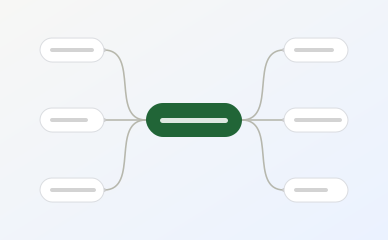
Understand the implications of your SWOT analysis, and identify the strategic steps that will minimize weaknesses, minimize threats, maximize strengths and maximize opportunities. Examine and analyze the strengths and come up with a growth strategy, which allows you to reach a higher level of market control than you have at present. Afterwards assess the strengths and compare them against the threats to find a good consolidation strategy that will help integrate all the necessary factors for the smooth running of your business. Apply the same method with the weaknesses you identified: evaluate them against the opportunities to establish some containment strategies and review them against the threats to find survival strategies such as improving customer satisfaction. As priorities and market trends change, you can always revisit this mind map template to modify the SWOT elements and brainstorm other strategies. Where to next? Enter your organization name Add a growth strategy Add a consolidation strategy Add a containment strategy Add a survival strategy Add an external threat that might negatively impact your organization. Add an external opportunity that you could take advantage of. Add an internal weakness that is negatively affecting success. Add an internal strength Miellekarttojen avulla voit ideoida, hahmottaa käsitteiden välisiä suhteita sekä järjestää ja tuottaa ideoita. Miellekarttamallien avulla alkuun pääsee kuitenkin helpommin: ne ovat valmiita runkoja, jotka sisältävät tietoa tietystä aiheesta sekä ohjeita kartan täydentämiseen. Malli antaa rakenteen, joka kokoaa yhteen aiheen kaikki osa-alueet ja toimii lähtökohtana omalle miellekartallesi. Se on käytännöllinen tapa luoda miellekartta tietystä aiheesta niin työelämän kuin opiskelun tarpeisiin. Mindomon älykkäiden miellekarttamallien avulla ajattelet ja toimit vaivattomasti. Voit valita erilaisia miellekarttamalleja Mindomon yritys- ja koulutustileiltä tai luoda omia malleja tyhjästä. Minkä tahansa miellekartan voi muuttaa malliksi lisäämällä sen aiheisiin ohjaavia muistiinpanoja.How to use SWOT analysis in strategic management

Tietoja tästä mallista
How to use SWOT analysis in strategic management? Begin by writing down the name of the company that is the subject of your analysis. Identify the internal strengths and weaknesses such as the people, their skills, the equipment, the brand reputation and partnerships, and the external opportunities and threats like social trends, new technologies, or strong competitors, then rank them by the significance they have for the company.
Where to next?
Now that you have completed your SWOT analysis and strategy, where to next?Organization Name
Type in the organization or area that is the subject of this analysis. You might find it helpful to add the date for reference so that you can review changes at a later date.Growth Strategies (SO)
Growth strategy
Review each of the highest-ranked strengths facing your organization'''.
For example, if your product performs well, and new legislation is going to raise questions about your competitor's products, then you could maximize this situation by prioritizing your own product performance.Consolidation strategies (ST)
Consolidation strategy
Review each of the highest-ranked strengths facing your organization, and compare them with each of the highest-ranked threats.
For example, if you have recognized specialist knowledge that gives you an advantage, but there is a threat that new technology could decrease your market, then it would make sense to develop the same level of specialist knowledge in new technologies.Containment strategies (WO)
Containment strategy
Review each of the highest-ranked weaknesses facing your organization, and compare them with each of the highest-ranked opportunities.
For example, if there is unmet demand in the market, but you have old and slow production equipment, then you cannot take advantage of this opportunity. A containment strategy would be to improve capacity with newer equipment.Survival strategies (WT)
Survival strategy
Review each of the highest-ranked weaknesses facing your organization, and compare them with each of the highest-ranked threats.
For example, if a strong competitor is a threat, and unhappy customers are a weakness, then your customers might simply move to your competitor. A survival strategy would be to work on improving customer satisfaction.External
Threats
Threat
Examples include strong competitors, negative market trends, technologies becoming obsolete, new disruptive technologies.
Rate the importance of this threat:Opportunities
Opportunity
Examples include social or business trends, fashions, changes in legislation, new technologies, innovations, weak competitors.
Rate the importance of this opportunity by clicking one of the icons below:Internal
Weaknesses
Weakness
Examples: under-staffing, lack of skills, unreliable or inefficient equipment, unhappy customers, unhappy staff, missed deadlines.
Rate the importance of this weakness by clicking one of the icons below:Strengths
Strength
Examples: good people, skills, location, technology, equipment, specialized knowledge, brand reputation, proven abilities, financial resources, partnerships.
Rate the importance of this strength by clicking one of the icons below:Miksi käyttää Mindomon miellekarttamallia?
Malleissa on useita toimintoja:
-
Tuotteet
-
Käyttötarkoitukset
- Yleiset käyttötarkoitukset
- Miellekartat koulutukseen
- Miellekartat liiketoimintaan
- Miellekartat henkilökohtaiseen kehitykseen
- Apuvälineteknologia
- Tiimiyhteistyö
- Kampanjabriefit markkinoijille
- Asiakastarpeiden kartoitustyöpajat konsulteille
- Perehdytyspolut HR:lle ja L&D:lle
- Tietämyksenhallinta
- Tiimin osaamismatriisi
- Projektikirjasto
- Roolit
- Markkinoijat
- HR ja L&D
- Konsultit
- Projektinhallinta
- Markkinointikampanjan suunnittelu
- Henkilöstökoulutusten jalkautus
- Työn laajuuden määrittely
- Ideoiden organisointi
- Ongelmapuut
- Koulutustarveanalyysi
- Miellekarttojen hyödyt
-
Ratkaisut
- Oppaat
- Tee esityksiä miellekartoilla
- Opi miellekartoilla
- Suunnittele ja järjestä miellekartoilla
- Priorisoi tehtäviä miellekartoilla
- Tee muistiinpanoja miellekartoilla
- Aitoja asiakastarinoita
- Koulutussisällön skaalaaminen 11 000 lääkärille
- Tiimin työnkulku: kokeilusta korvaamattomaksi kahdessa kuukaudessa
- 10 vuotta ilman dioja: arkkitehtuuriluennot uusiksi
- Lue kaikki tarinat
-
Resurssit
- Perusteet
- Mikä on miellekartta?
- Miten miellekartta tehdään?
- Mikä on käsitekartta?
- Miellekarttaideoita opiskeluun
- Oppaat ja tuki
- Video-oppaat
- Ohjekeskus
- Foorumi
- Esimerkit ja mallit
- 100 miellekarttaideaa
- Miellekartat apuvälineteknologiana
- 29 parasta miellekarttaesimerkkiä
- Ominaisuussivut
- Koulutus
- Opettajan tehtävät
- Työ ja vapaa-aika
- Työpöytäsovellus
- Mindomo-blogi
- Hinnoittelu
- Kirjaudu sisään
- Rekisteröidy
- Hallintapaneeli
Yleiset käyttötarkoitukset
Miellekarttojen hyödyt
Miksi visuaalinen ajattelu helpottaa muistamista ja suunnittelua.
Perusteet
Oppaat ja tuki
Esimerkit ja mallit
Ominaisuussivut
 Blogi
Mindomo-blogi
Oppaita, esimerkkejä ja tutkimusta visuaalisesta ajattelusta.
Selaa kaikkia artikkeleita