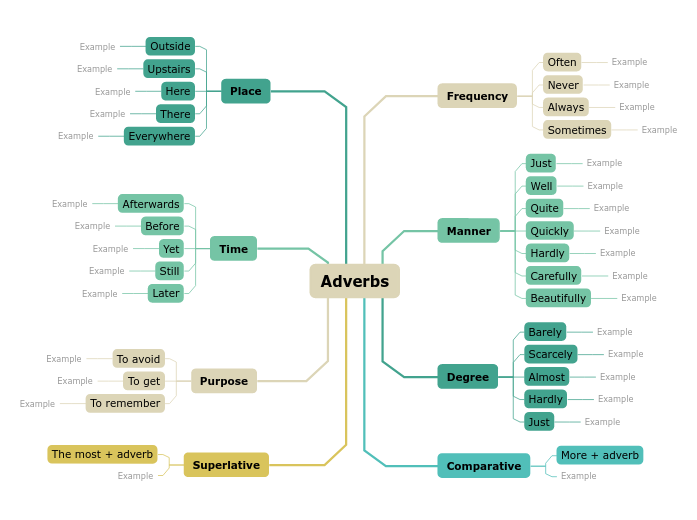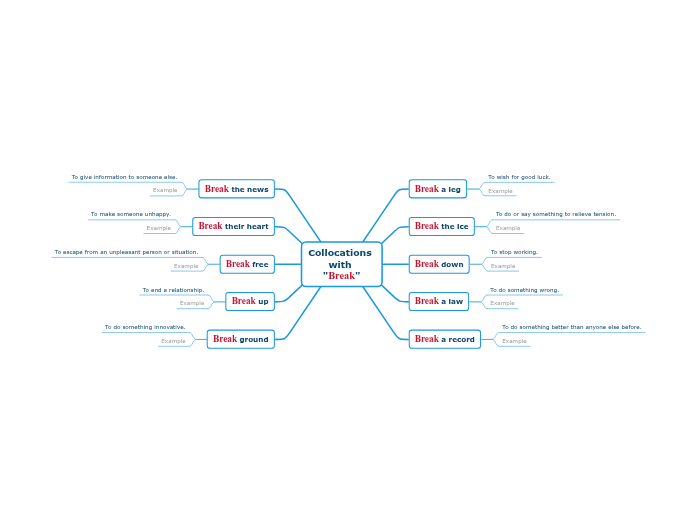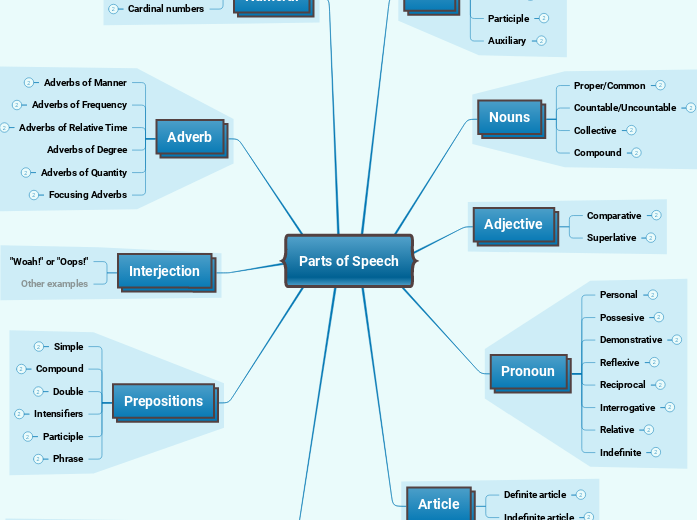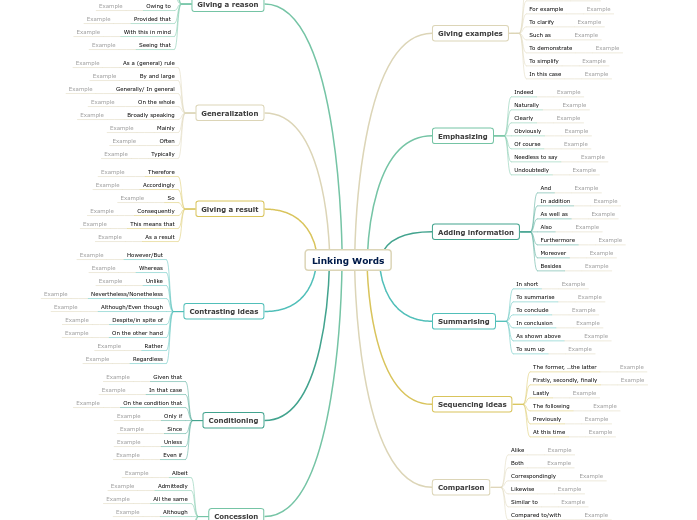
Adverbs are the parts of speech that describe verbs, adjectives, or other adverbs, phrases, clauses, or sentences. There are different types of adverbs: Adverbs of frequency Adverbs of manner Adverbs of degree Comparative adverbs Superlative adverbs Purpose adverbs Time adverbs Place adverbs Adverbs of frequency present how frequently or how often verbs happen. Some examples of adverbs of frequency are: Often Never Always Sometimes Adverbs of manner provide information about the way the verb is done. Some examples of adverbs of manner are: Just Well Quite Quickly Hardly Carefully Beautifully Adverbs of degree provide information about the level of intensity of verbs, adjectives, or other adverbs. Some examples of adverbs of degree are: Barely Scarcely Almost Hardly Just Comparative adverbs are used to show change or make comparisons. Comparative adverbs are formed by adding the word ‘more’ to adverbs. Adverbs of purpose express the reason of verbs. Some examples of adverbs of purpose are: To avoid To get To remember Adverbs of time offer information about the time when the verb takes place. Some examples of time adverbs are: Afterwards Before Yet Still Later Adverbs of place offer information about the place where the verb takes place. Some examples of adverbs of place are: Outside Upstairs Here There Everywhere Adverbs are words or expressions that modify a verb, adjective, another adverb, determiner, clause, preposition, or sentence. Adverbs typically express manner, place, time, frequency, degree, level of certainty, etc. Compares three or more things or people, usually is compounded of the words 'the most' plus adverb. Answers the question: Answers the question: Answers the question: Compares two things or people, usually is compounded of the word 'more' plus adverb. Answers the question: Answers the question: Answers the question: Write phrases as examples. A gondolattérképek segítenek az ötletelésben, a fogalmak közötti kapcsolatok kialakításában, a rendszerezésben és az ötletek generálásában. A gondolattérkép-sablonok azonban könnyebb utat kínálnak a kezdéshez, mivel ezek olyan keretek, amelyek egy adott témával kapcsolatos információkat tartalmaznak, irányadó utasításokkal. Lényegében a gondolattérkép minták biztosítják azt a struktúrát, amely egy adott téma összes elemét egyesíti, és kiindulópontként szolgál az Ön személyes gondolattérképjéhez. Forrást jelentenek arra, hogy praktikus megoldást nyújtsanak egy adott témával kapcsolatos gondolattérkép létrehozásához, akár üzleti, akár oktatási céllal. A Mindomo intelligens gondolattérkép-sablonokat kínál, amelyek lehetővé teszik, hogy könnyedén működjön és gondolkodjon. Választhat a Mindomo üzleti vagy oktatási fiókjaiból, vagy létrehozhatja saját gondolattérkép sablonjait a semmiből. Bármilyen gondolattérkép átalakítható gondolattérkép-sablon térképpé, ha az egyik témakörhöz további irányadó jegyzeteket ad hozzá.Erről a sablonról
Adverbs
Adverbs
Superlative
The most + adverb
Purpose
To remember
To get
To avoid
Time
Later
Still
Yet
Before
Afterwards
Place
Everywhere
There
Here
Upstairs
Outside
Comparative
More + adverb
Degree
Almost
Scarcely
Barely
Manner
Beautifully
Carefully
Hardly
Quickly
Quite
Well
Just
Frequency
Sometimes
Always
Never
Often
Example
Miért érdemes Mindomo gondolattérkép mintát használni?
Egy sablon különböző funkciókkal rendelkezik:
-
Termékek
-
Felhasználás
- Általános felhasználás
- Gondolattérképek az Oktatásban
- Gondolattérképek az Üzleti Életben
- Gondolattérképek a Személyes Életben
- Segítő Technológia
- Csapatmunka
- Kampánybriefek marketingszakembereknek
- Ügyfélfeltáró workshopok tanácsadóknak
- Onboarding folyamatok HR- és L&D-csapatoknak
- Tudásmenedzsment
- Csapat kompetenciamátrix
- Projektkönyvtár
- Szerepek
- Marketingszakemberek
- HR és L&D
- Tanácsadók
- Projektmenedzsment
- Marketingkampány-tervezés
- Munkavállalói képzések bevezetése
- Munkaterjedelem
- Ötletszervezés
- Problémafák
- Képzési igényfelmérés
- Az Gondolattérkép Készítés Előnyei
-
Megoldások
- Útmutatók
- Prezentációk készítése gondolattérképekkel
- Hogyan tanuljunk gondolattérképekkel
- Tervezés és rendszerezés gondolattérképekkel
- Hogyan priorizáljuk a feladatokat gondolattérképekkel
- Jegyzetelés gondolattérképekkel
- Valódi ügyféltörténetek
- Oktatási tartalom skálázása 11 000 orvos számára
- Csapatmunka: két hónap alatt a próbáról a nélkülözhetetlenig
- 10 év diák nélkül: az építészeti előadások újragondolása
- Összes történet elolvasása
-
Erőforrások
- Alapok
- Mi az az Gondolattérkép?
- Hogyan készítsünk Gondolattérképet?
- Útmutatók és Támogatás
- Videós útmutatók
- Súgóközpont
- Fórum
- Példák és sablonok
- A 29 Legjobb Gondolattérkép Példa
- Mi az a Fogalomtérkép?
- Funkcióoldalak
- Oktatás
- Tanári feladatok
- Munka és Személyes
- Asztali
- A Mindomo blog
- Árazás
- Bejelentkezés
- Regisztráció
- Irányítópult
Az Gondolattérkép Készítés Előnyei
Miért könnyíti a vizuális gondolkodás a felidézést és a tervezést.
Útmutatók és Támogatás
Példák és sablonok
Funkcióoldalak
 Blog
A Mindomo blog
Útmutatók, példák és kutatások a vizuális gondolkodásról.
Összes cikk böngészése
Blog
A Mindomo blog
Útmutatók, példák és kutatások a vizuális gondolkodásról.
Összes cikk böngészése